Introduction
Have you ever wondered whether to call a small guest bathroom a powder room or a restroom? The difference between powder room vs bathroom vs restroom mainly depends on the room’s purpose, location, and fixtures. In American homes, these terms can describe different spaces, even though their meanings sometimes overlap. Understanding how each term is used can help you communicate clearly, choose suitable bathroom fixtures, and plan a space that fits your home or building.
Table of Contents
1. What Is the Difference Between a Powder Room, Bathroom, and Restroom?
A powder room is a compact space designed mainly for guests, with a toilet and sink for quick use. A home bathroom may also have a shower or bathtub for daily bathing, while a restroom usually refers to toilet facilities in public places such as restaurants, offices, and shopping centers across the United States.
A powder room is generally a small, guest-friendly space near a home’s entrance or living area. It allows visitors to use the toilet and wash their hands without entering private areas such as bedrooms. Most powder rooms do not have a shower or bathtub, which makes them easier to fit into smaller floor plans.
In American homes, a bathroom provides a place for washing, bathing, and other everyday personal care needs. Its setup depends on the available space: a half bath has a toilet and sink, while a larger bathroom may also include a tub and shower. For instance, a three-bedroom house might have a small toilet room near the main living area and a larger bathroom close to the bedrooms for daily use.
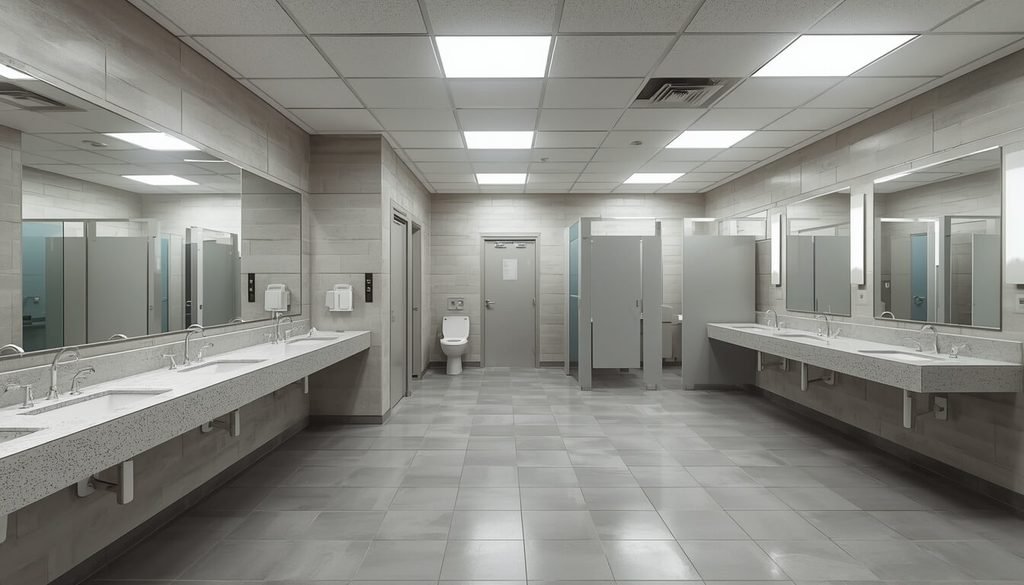
A restroom usually refers to a toilet facility in a public or commercial setting, such as a restaurant, shopping mall, office, or airport. It may contain several toilet stalls, shared sinks, mirrors, and hand dryers. The word describes the facility’s purpose rather than a specific set of fixtures.
In everyday American English, these terms can overlap. Someone may call a guest powder room a half bathroom, while a restaurant visitor will often ask for the restroom. The right term depends on the setting and the facilities available.
These differences also matter when planning a home renovation. Before adding a powder room or updating an existing bathroom, consider floor space, plumbing, privacy, and household needs. If space is limited, our guide to standard bathroom vanity depth can help you choose a vanity that fits your layout without making the room feel cramped.
2. What Is a Powder Room and What Is It Used For?
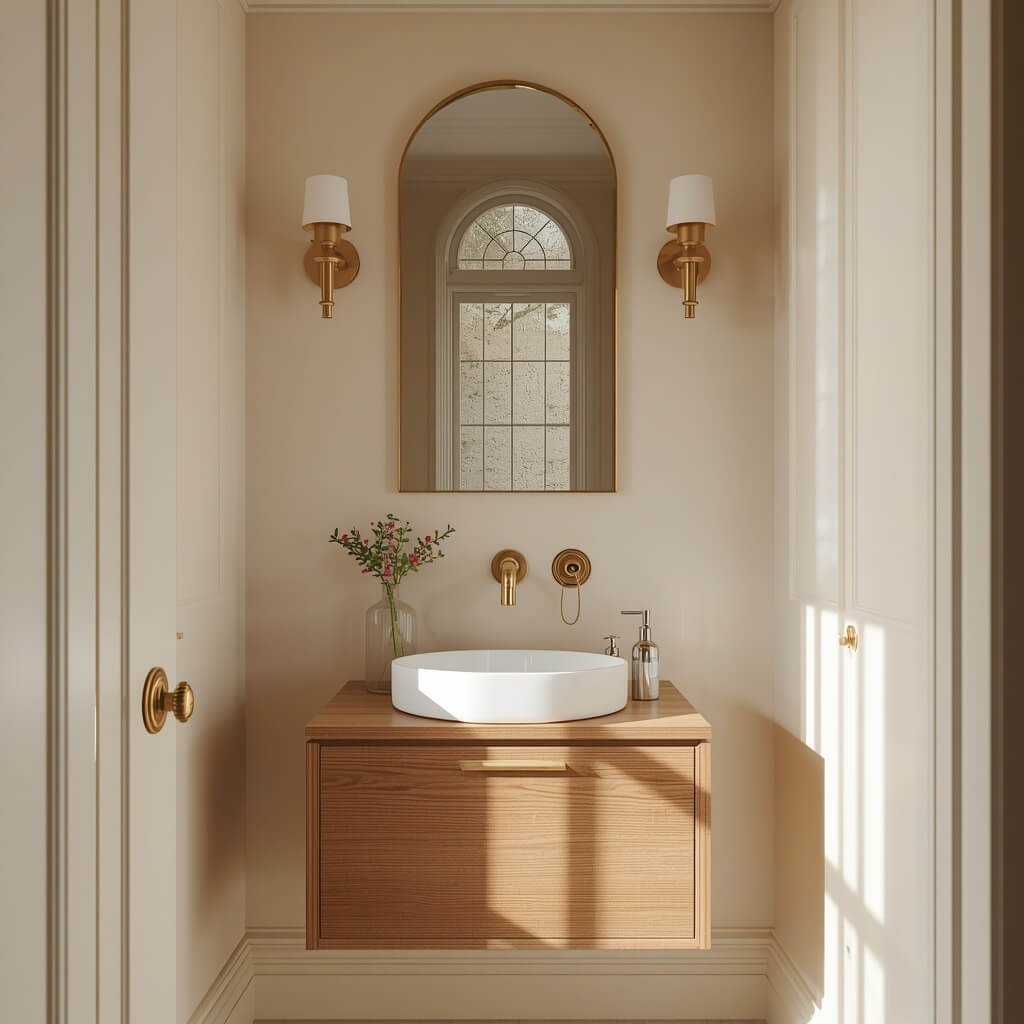
In many American homes, a powder room is a compact space fitted with a toilet and handwashing sink, without bathing facilities. It gives guests an easy place to freshen up during a visit without needing to enter the home’s main bathroom or private bedroom areas.
Powder rooms are often located near the living room, dining area, or front entrance. This location allows visitors to use the facilities without walking through private spaces such as bedrooms or the main bathroom.
Common Features of a Powder Room
A typical powder room includes:
- Toilet: Gives visitors a private, convenient space to attend to their needs.
- Sink and faucet: Allow people to wash their hands after using the toilet.
- Mirror: Makes the room more practical and helps create a sense of space.
- Storage: A small cabinet or vanity can hold hand soap, tissues, and extra toilet paper.
- Lighting and ventilation: Provide enough light for everyday use and help remove excess moisture and unwanted odors.
Unlike a full bathroom, a powder room does not usually have bathing facilities. This smaller layout also makes it easier to fit into homes where space is limited.
Why Do Homeowners Add a Powder Room?
A powder room is a practical addition to homes where family and friends often gather. For instance, when hosting a dinner for eight guests, homeowners can direct visitors to a nearby powder room rather than having them walk into private bedroom areas to find a bathroom.
Homeowners may also choose this layout because it offers several practical benefits:
- Better privacy: Guests do not need to enter personal areas of the home.
- Convenient access: Visitors can find the toilet quickly from common living spaces.
- Efficient use of space: A powder room requires less floor space than a bathroom with a shower or bathtub.
- Flexible design options: A compact bathroom vanity, wall-mounted sink, or corner sink can help make the most of a small room.
When planning a powder room, measure the available floor area and allow enough clearance around the toilet, sink, and door. Plumbing access, ventilation, and applicable local building codes also matter.
A powder room works well for quick visits and guests, but it cannot meet bathing needs because it lacks a shower or tub. When designing a compact space, check the vanity’s measurements and cabinet depth to ensure it fits comfortably without limiting movement. For more guidance, read our guide to 18-inch bathroom vanities to explore space-saving options for smaller rooms.
3. What Is a Bathroom in American Homes?
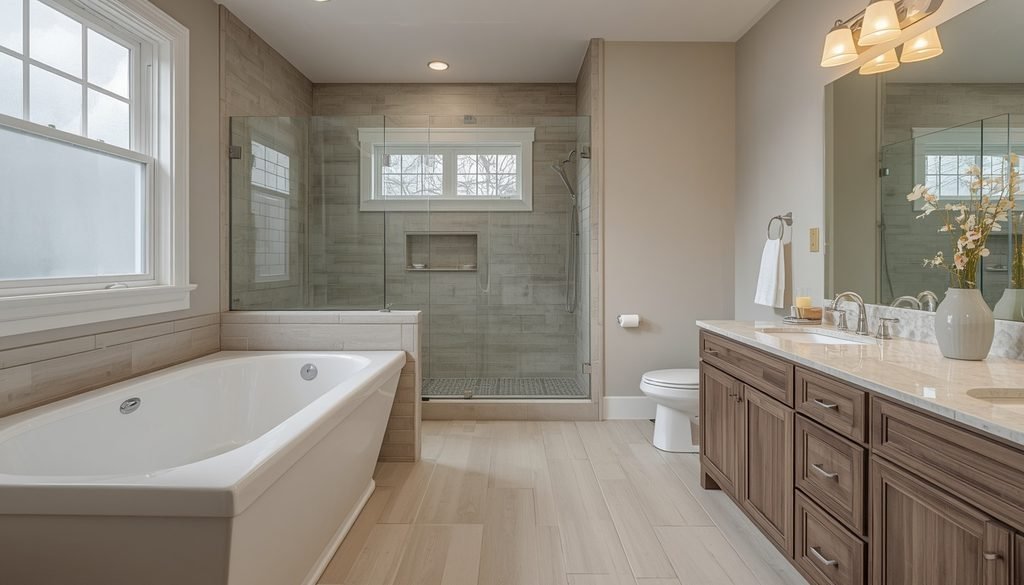
In U.S. homes, a bathroom serves several everyday needs, from handwashing and toilet use to taking a shower or bath. Its layout varies by size and purpose, while a typical powder room is mainly limited to a toilet and sink, without space for bathing.
The term bathroom is widely used in the United States for both small half baths and larger rooms with complete bathing facilities. This is why understanding the fixtures inside a room is more useful than relying on its name alone.
What Are the Different Types of Bathrooms?
American homes commonly have three types of bathrooms, based on the fixtures they contain.
- Half bathroom: A small bathroom fitted with a toilet and washbasin, without bathing facilities. It is often located near a home’s entryway or main living area for easy access by visitors.
- Three-quarter bathroom: Usually includes a toilet, sink, and shower, but no bathtub. It works well in smaller homes, guest suites, and basement living areas.
- Full bathroom: A complete bathing space that usually includes a toilet, washbasin, and facilities for bathing. In many homes, the shower is fitted above the bathtub, making the most of the available floor space.
For example, a two-bedroom home might have one full bathroom near the bedrooms and a half bathroom close to the kitchen or living room. This arrangement gives residents access to bathing facilities while making it easier for guests to use the toilet.
What Fixtures Does a Home Bathroom Usually Have?
The size and purpose of a bathroom determine which fixtures it needs. Most residential bathrooms include a toilet, sink, mirror, lighting, and some form of storage. Larger bathrooms may also have a bathtub, separate shower, or double sink vanity.
Common bathroom features include:
- Bathroom vanity: Holds the sink and provides storage for toiletries, towels, and cleaning supplies.
- Toilet: Provides the main toilet facility for residents and visitors.
- Shower or bathtub: Supports daily bathing, with the choice depending on household needs and available space.
- Mirror and lighting: Help with everyday grooming, shaving, and other personal care tasks.
- Ventilation: An exhaust fan or suitable ventilation system helps control moisture and reduce the risk of mold growth.
Choosing the right fixtures matters because a bathroom must be comfortable to use, not simply attractive. A large vanity, for instance, may offer useful storage but leave too little room to move around in a compact bathroom.
How Is a Bathroom Different From a Powder Room?
The main difference is that a bathroom may provide bathing facilities, while a typical powder room has only a toilet and sink. However, in everyday American usage, both terms can sometimes describe a space without a shower or bathtub.
A powder room is usually designed for quick visits, especially by guests. A full bathroom serves a broader purpose, from daily showers to getting ready for work or bedtime.
When renovating a home, consider how many people will use the room, whether a bathtub is necessary, and how much storage you need. You should also measure the available space before choosing fixtures. Reviewing these common bathroom vanity sizes can help you select a cabinet that suits your layout without making the walkway feel cramped.
Ultimately, a bathroom in an American home can range from a simple half bath to a full bathing space. Its fixtures, layout, and intended use determine how it functions in everyday life.
4. What Is a Restroom and Where Is It Commonly Found?
A restroom is a facility where people can use the toilet and wash their hands, usually in a public or commercial building. In the USA, the term is commonly used in places such as restaurants, shopping malls, airports, offices, and schools.
What Facilities Does a Restroom Usually Have?
A public restroom may include:
- Toilets or private toilet stalls
- Shared sinks, faucets, and mirrors
- Soap dispensers and hand dryers or paper towels
- Accessible facilities designed for people with disabilities
- Separate men’s, women’s, or single-user facilities, depending on the building
For example, a busy restaurant may have two restrooms with multiple stalls and shared sinks to serve customers during meal times.
Why Do Americans Use the Word Restroom?
In the United States, restroom is a courteous way to refer to public toilet facilities. For example, a shopper may ask a store employee, “Could you tell me where the restrooms are?” when looking for a place to use the toilet and wash their hands.
The word does not necessarily mean the space contains a shower or bathtub. Unlike a residential bathroom, a public restroom is mainly designed for toilet use and handwashing.
When planning a commercial property, restroom layout should account for visitor traffic, privacy, accessibility, ventilation, and local building requirements. These practical needs distinguish public restroom facilities from a powder room or a private home bathroom.
5. How Do Powder Rooms, Bathrooms, and Restrooms Compare?
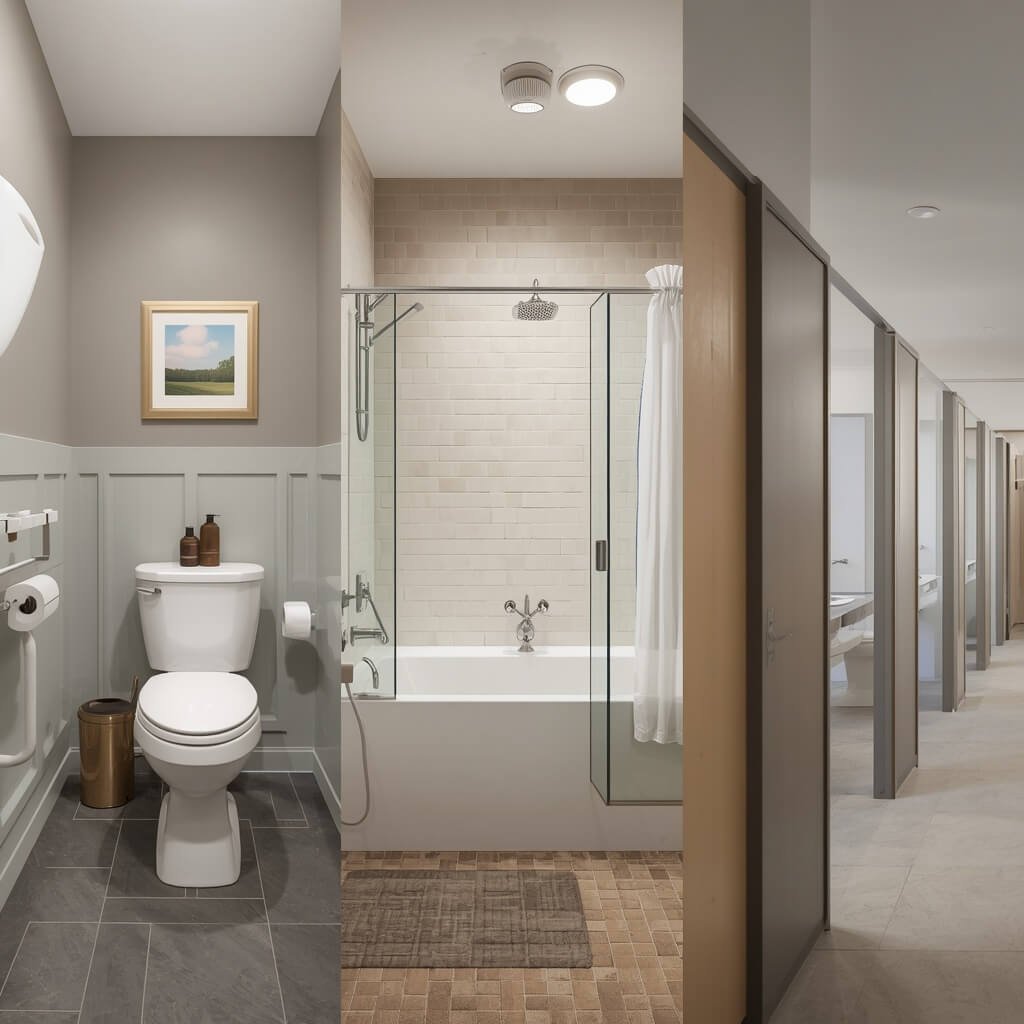
The main difference comes down to their purpose, location, and fixtures. A powder room is usually a small guest bathroom, a bathroom serves personal hygiene needs at home, and a restroom is commonly found in public buildings.
| Feature | Powder Room | Bathroom | Restroom |
| Common location | Near living or dining areas | Residential homes | Public and commercial buildings |
| Toilet | Yes | Usually | Usually |
| Sink | Usually | Usually | Usually |
| Shower or bathtub | Usually no | May have both | Usually no |
| Main purpose | Guest convenience | Daily hygiene and bathing | Public toilet use and handwashing |
| Typical users | Guests and household members | Residents and guests | Customers, visitors, and employees |
Which One Should You Expect in Different Places?
- At home: A full bathroom may serve the family, while a powder room gives guests convenient access to a toilet and sink.
- At a restaurant: A restroom usually provides toilets, shared sinks, and handwashing supplies.
- In a small apartment: A half bathroom may save space, while a full bathroom provides bathing facilities.
One important detail is that a powder room and a half bathroom often have the same fixtures. The difference is usually how the space is used, not its exact design. Similarly, Americans may use the word bathroom when asking for toilet facilities in public, even when the building labels the area as a restroom.
When planning a home, consider the room’s purpose, available floor space, plumbing, and storage needs before choosing its layout. If you’re deciding which vanity style suits your space, our guide explains what a vanity is and the different types available.
6. Which Fixtures and Features Does Each Room Usually Have?
A powder room usually has a toilet and sink, a home bathroom may include bathing facilities, and a public restroom often has multiple toilets or stalls with shared sinks. The fixtures depend on the room’s purpose, available space, and the needs of its users.
Powder Room Features
- Toilet and compact sink
- Mirror and suitable lighting
- Small vanity or storage cabinet
- Hand soap and towel holder
Bathroom Features
- Toilet, sink, and bathroom vanity
- Shower, bathtub, or both
- Storage for towels and toiletries
- Ventilation to control moisture
A full bathroom may use a tub-and-shower combination to save space. Homeowners should measure the room before choosing a vanity, especially in smaller bathrooms.
Restroom Features
- Multiple toilet stalls or individual facilities
- Shared sinks and mirrors
- Soap dispensers and hand dryers
- Accessible features where required
For example, a shopping mall restroom may serve dozens of visitors during a busy hour, so durable fixtures and easy-to-clean surfaces are important.
When comparing powder room vs bathroom vs restroom, remember that the main difference is how each space is used. Fixture choices should match the setting, comfort needs, available floor space, and applicable building requirements.
7. When Should You Use the Terms Powder Room, Bathroom, or Restroom in the USA?
In the USA, use powder room when referring to a small guest bathroom, bathroom for a home’s personal hygiene space, and restroom when talking about public toilet facilities. However, everyday American English often uses these terms interchangeably.
- Powder room: Use this term when discussing a guest toilet and sink near a living or dining area.
- Bathroom: Use it when talking about home bathrooms, showers, bathtubs, or bathroom renovations.
- Restroom: Use it when asking for toilet facilities in a restaurant, airport, office, or shopping mall.
For example, a guest might ask, “May I use your powder room?” at a dinner party, while a customer might ask a store employee, “Where is the restroom?”
Choosing the right term depends on the setting and local usage. For additional language guidance, consult the Cambridge Dictionary’s definition of “restroom”, which explains how the term is used in American English.
rences also helps when discussing bathroom design, guest facilities, or home renovation plans.
8. Which Room Is Best for Your Home or Building?
The best choice depends on the available space, intended use, and people who will use the facility. When comparing a powder room vs bathroom vs restroom, consider these practical differences.
- Powder room: Best for homes that often welcome guests and need a small toilet-and-sink area near the living room.
- Full bathroom: Best for families who need a toilet, sink, shower, or bathtub for daily personal hygiene.
- Restroom: Best for public places such as offices, restaurants, and shopping centers where visitors need convenient toilet facilities.
For example, a home with two full bathrooms may benefit from adding a powder room near the dining area if guests frequently visit. A commercial building, however, needs restrooms planned around visitor numbers, accessibility, and local building codes.
Before making changes, consider plumbing costs, ventilation, privacy, and floor space. For a small home bathroom, choosing a compact vanity can also improve storage without making the room feel crowded.
Conclusion
Understanding powder room vs bathroom vs restroom helps you choose the right words and plan a space that suits its purpose. Whether you are updating a home bathroom or designing facilities for a public building, consider comfort, privacy, available space, and everyday needs. If you’re planning a compact bathroom, explore our guide to small bathroom vanity ideas and space-saving options for practical inspiration. The best space is not the biggest one, but the one that works well for the people who use it.
FAQs
1. What is the difference between a powder room and a restroom?
A powder room is a small bathroom in a home with a toilet and sink, usually for guests. A restroom is a term commonly used for toilet facilities in public places such as restaurants, malls, and airports.
2. What is a Jack and Jill bathroom?
A Jack and Jill bathroom is a shared bathroom between two bedrooms, usually with a door leading into each bedroom. It allows two people or family members to access the same bathroom.
3. What do British people call a toilet?
British people commonly use the terms toilet, loo, and WC. In public places, they may also use toilets or public conveniences.
4. What are the three types of bathrooms?
The three common types are half bathrooms, three-quarter bathrooms, and full bathrooms. They differ mainly in whether they include a shower, bathtub, or only a toilet and sink.
5. What is the newest trend in bathrooms?
Current bathroom design trends include natural materials, warm neutral colors, walk-in showers, floating vanities, and energy-efficient lighting. The best choice depends on your space, budget, and personal style.
6. What is a Victorian bathroom?
A Victorian bathroom reflects the design style of the Victorian era, with features such as clawfoot tubs, pedestal sinks, decorative tile, traditional faucets, and ornate details. Modern versions combine this classic look with updated plumbing and fixtures.
About the Author: Bilal Khan
Bilal Khan is a content writer interested in home improvement, bathroom design, and practical interior ideas. He enjoys researching everyday home-related topics and sharing clear, useful information to help readers make informed decisions about their living spaces.