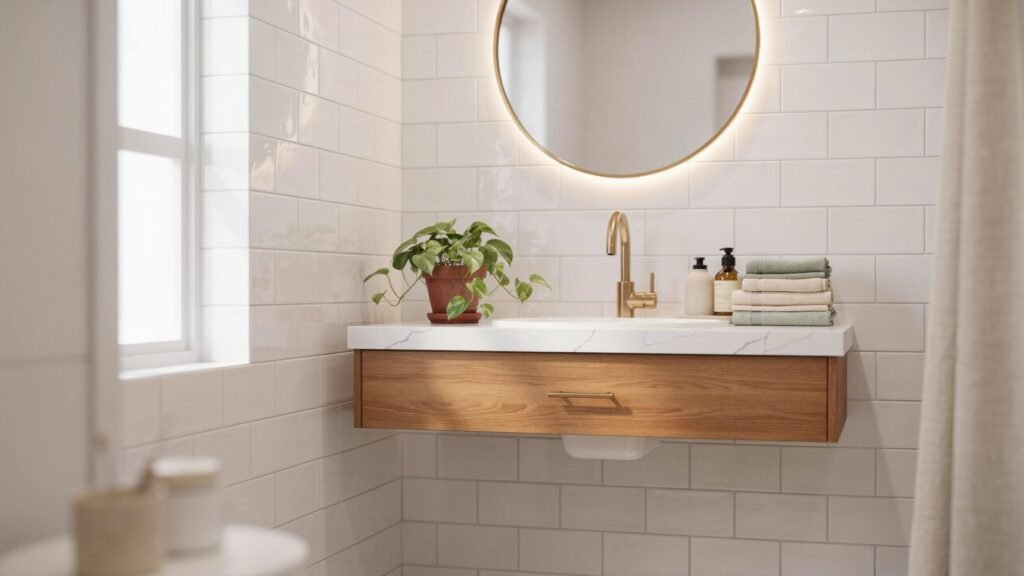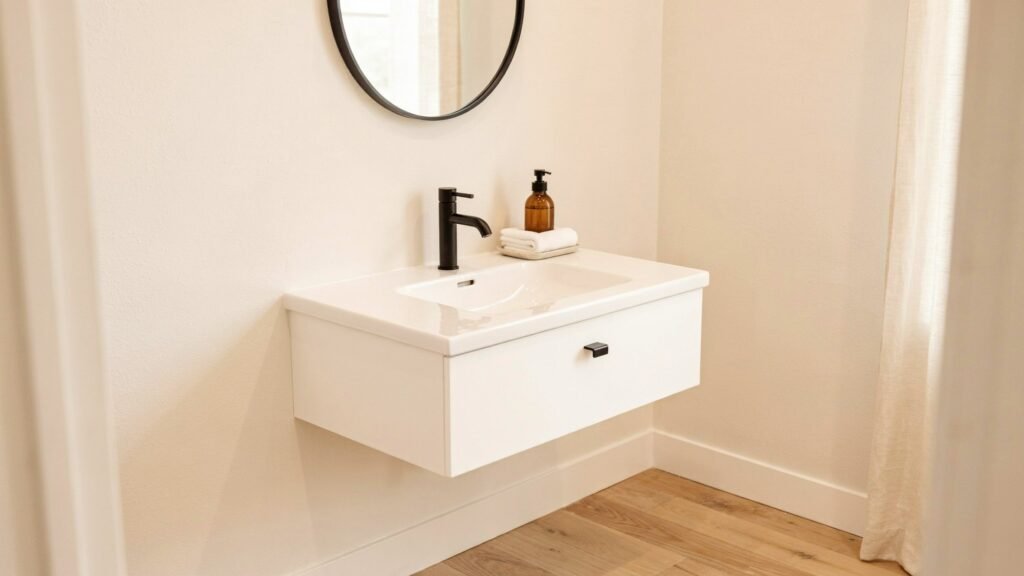
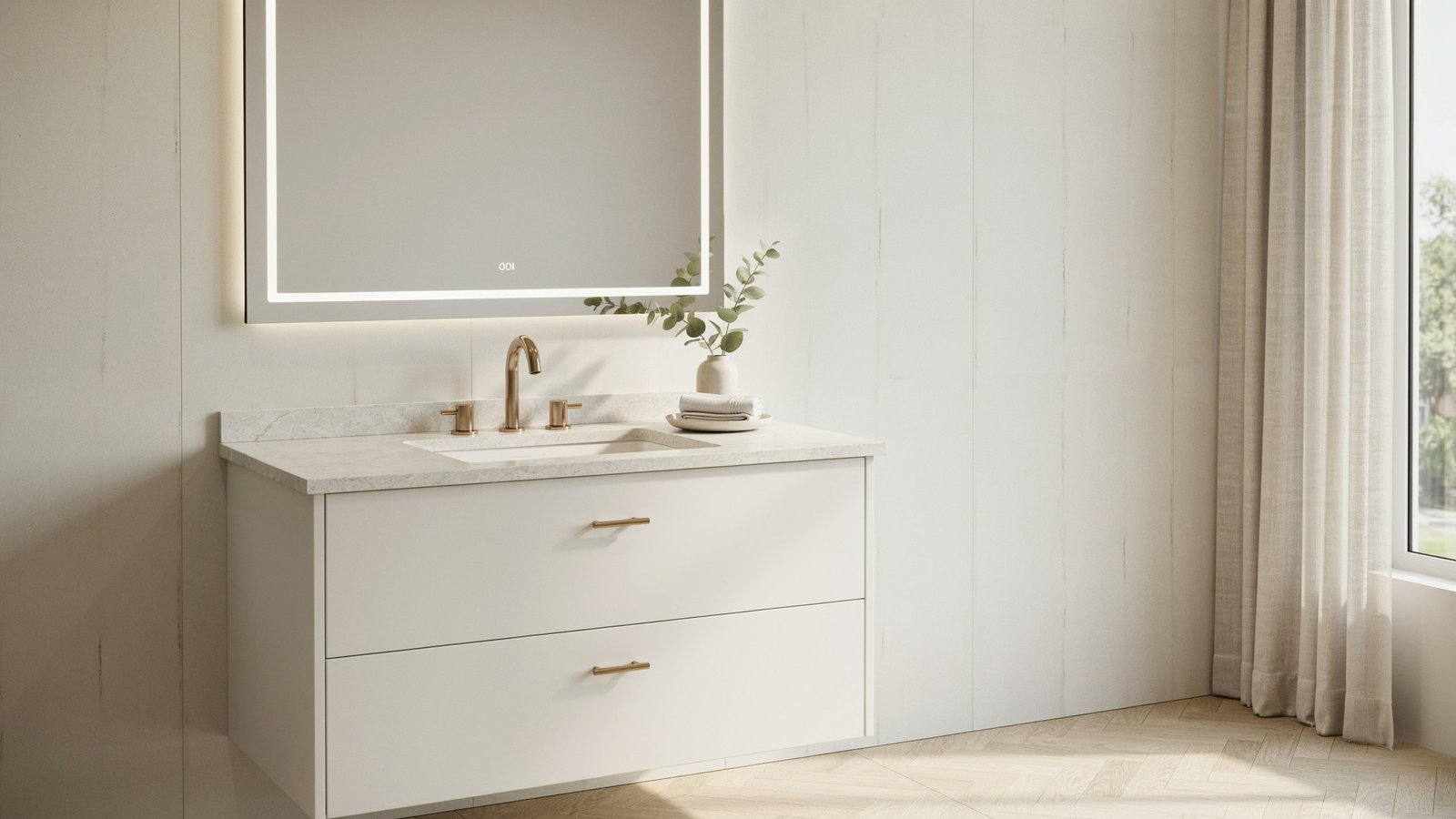
What Makes a Blossom Vanity Unique for Modern Bathrooms?
A Blossom vanity is a high-quality bathroom vanity known for combining solid moisture-resistant materials, modern hardware, and integrated sink designs into one functional package. It offers homeowners a clean aesthetic with soft-close drawers and versatile frame sizes, making it an excellent choice for modern bathroom upgrades.
When planning a bathroom remodel, picking the right vanity sets the tone for your whole space. Standard builder-grade cabinets often show water wear or loose door hinges after just a couple of years of steam exposure. In contrast, well-crafted units bring together practical daily storage with durable construction that handles everyday humidity with ease.
In this guide, we will break down everything you need to know before buying — from picking the ideal size and cabinet material to real-world maintenance tips and total cost expectations.
Table of Contents
Key Features to Look For Before Buying a Blossom Vanity
Before purchasing a Blossom vanity, you should focus on solid construction materials, smooth soft-close hardware, integrated sink designs, and matching vanity mirrors to ensure long-term durability and functionality. Paying attention to these core components prevents common bathroom issues like moisture damage, loose hinges, and mismatched decor.
When shopping for a vanity upgrade, looking past surface appearance helps you make a practical investment for your home. High-quality construction keeps your bathroom organized, easy to clean, and structurally sound over years of daily exposure to humidity and heavy use.
Cabinet Materials and Build Durability
A durable Blossom vanity requires moisture-resistant materials like solid wood frames or high-grade plywood to prevent warping from steam and daily water splashes. Lower-grade particleboard often swells when exposed to water leaks under the sink, making solid hardwood or plywood the preferred choice for long-term reliability.
The internal construction and hardware quality directly affect how well the unit handles daily routines. Look for soft-close drawer slides and door hinges, which prevent loud slamming, reduce wear on the cabinet frames, and protect fingers in busy family households. High-density MDF with a waterproof painted or lacquered finish also offers excellent stability for sleek, modern designs without sacrificing structural strength.
If you are planning a complete remodel, pair your cabinet selection with a matching storage layout. You can read our detailed guide on bathroom storage organization tips to see how internal drawer dividers and pull-out shelves maximize cabinet space.
Countertop and Sink Options
The ideal countertop for a Blossom vanity balances scratch resistance with effortless maintenance, with engineered quartz and seamless ceramic leading as top options. Pre-installed acrylic or ceramic undermount sinks offer a clean look while eliminating the exposed rim where grime and mildew tend to collect.
Here are the most practical countertop materials used in modern vanity units:
- Engineered Quartz: Non-porous, highly stain-resistant, and requires zero sealing against water or liquid soap drops.
- Vitreous China / Ceramic: Highly durable for integrated single-piece tops, making cleaning simple with basic household spray.
- Natural Marble: Offers a high-end luxury aesthetic, though it requires routine sealing to prevent water rings and etching.
Selecting an integrated sink basin with pre-drilled single-hole or widespread faucet openings ensures your plumbing hardware fits smoothly during installation. Matching your countertop depth and finish with a coordinating medicine cabinet or framed wall mirror creates a balanced, functional bathroom vanity setup—much like how matching bedroom sets with vanity dresser units bring design continuity and cohesive styling to master bedroom suites.
How to Choose the Right Size Blossom Vanity for Your Space
To choose the right Blossom vanity size, measure your available floor space and wall clearance to leave at least 30 inches of open room in front of the unit for easy movement and door swings. Picking the correct dimensions ensures your bathroom stays functional without blocking doorways, shower doors, or plumbing access.
Finding the ideal fit comes down to how your bathroom is used every day. A small guest bath needs a compact setup to maximize floor space, while a shared master bathroom benefits from extra counter room and double sinks.
Here are the standard size ranges and where they work best:
- 24 to 30 Inches (Compact Powder Rooms): Ideal for small half-baths or tight guest spaces where floor area is limited. A single-sink 24-inch model gives you essential counter space while keeping traffic paths clear.
- 36 to 48 Inches (Standard Single Vanities): Perfect for full guest bathrooms or medium-sized family baths. A 36-inch or 48-inch single basin layout gives you plenty of usable countertop room for daily essentials without feeling bulky.
- 60 to 72 Inches (Double Master Suites): Designed for larger master bathrooms shared by two people. A 60-inch double vanity provides dual sinks and dedicated drawer storage, ending the morning rush hassle.
Beyond standard width, always check the cabinet depth (typically 18 to 22 inches) and total height (standard 32 to 36 inches). For example, if your bathroom door opens inward toward the vanity wall, even a 2-inch miscalculation can block the door from opening completely. Double-check your existing plumbing rough-in locations so your new sink drain lines up cleanly without requiring costly pipe modifications—especially if you are customizing an unfinished bathroom vanity to fit non-standard plumbing configurations.
If you are renovating a smaller layout, check out our guide on small bathroom design ideas to learn how floating wall-mount vanities create extra visual space and floor room.
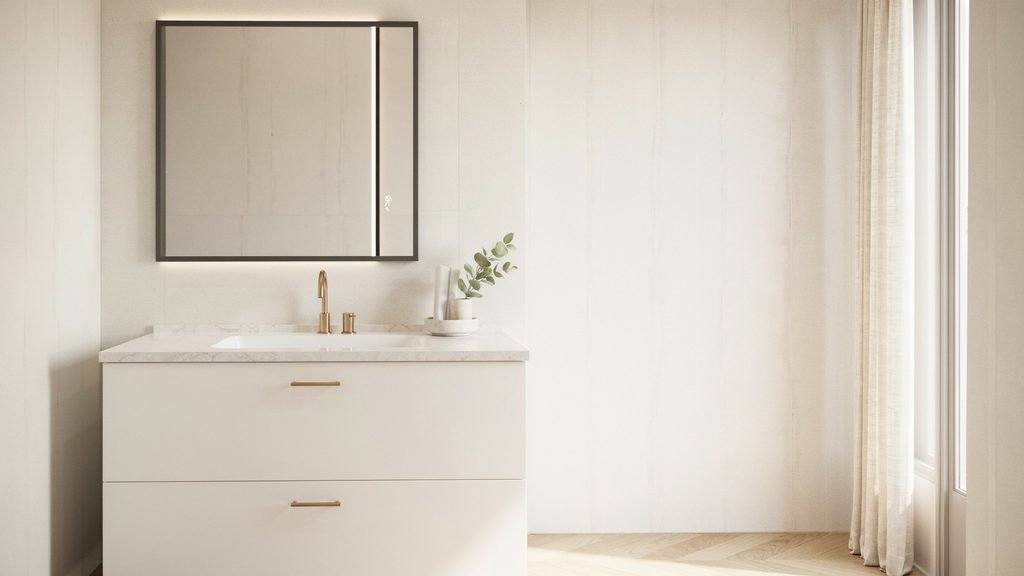
Real-World Setup: How a Blossom Vanity Performs in Daily Use
In daily practical use, a Blossom vanity holds up remarkably well against moisture, routine wear, and heavy daily household traffic when properly installed and maintained. Its true value lies in how smoothly the drawers operate, how easy the surfaces are to wipe down, and how well the cabinet handles steam and humidity over time.
Living with a modern bathroom unit means dealing with wet countertops, toothpaste splashes, and constant humidity from warm showers. Real-world performance comes down to proactive maintenance, smart organization, and correct installation habits.
Key practical factors for keeping your vanity functional and pristine include:
- Moisture Protection and Sealing: Apply a thin bead of 100% silicone sealant along the seam where the countertop meets the bathroom wall. In high-humidity spaces, wiping down standing water around the faucet base within 10 to 15 minutes prevents water spots and protects sealant integrity.
- Storage Organization: Soft-close drawers with built-in U-shaped cutouts accommodate P-trap plumbing without sacrificing space. Utilizing stackable acrylic organizers or bamboo tray inserts keeps daily cosmetics, toiletries, and hair tools neat and easily accessible.
- Simple Cleaning Routine: Wipe non-porous quartz or ceramic surfaces using a damp microfiber cloth and a mild, pH-neutral soap. Avoid abrasive scouring pads or harsh bleach cleaners that can dull the protective topcoat finish over time.
- Proper Installation Mechanics: Ensure the cabinet frame is leveled using shims before securing it directly to wall studs with heavy-duty cabinet screws. A level installation prevents misaligned drawer slides and ensures smooth door closure.
For instance, during a 20-minute hot shower, steam naturally settles on cabinet doors and mirrors. A properly sealed unit with high-density finishes won’t swell or warp, provided your bathroom has adequate ventilation.
If you are planning a DIY installation, take a look at our step-by-step guide on bathroom plumbing setup tips to ensure your drain pipes and water supply lines connect without leaks or pressure issues.
Popular Color Finishes and Design Styles to Match Your Decor
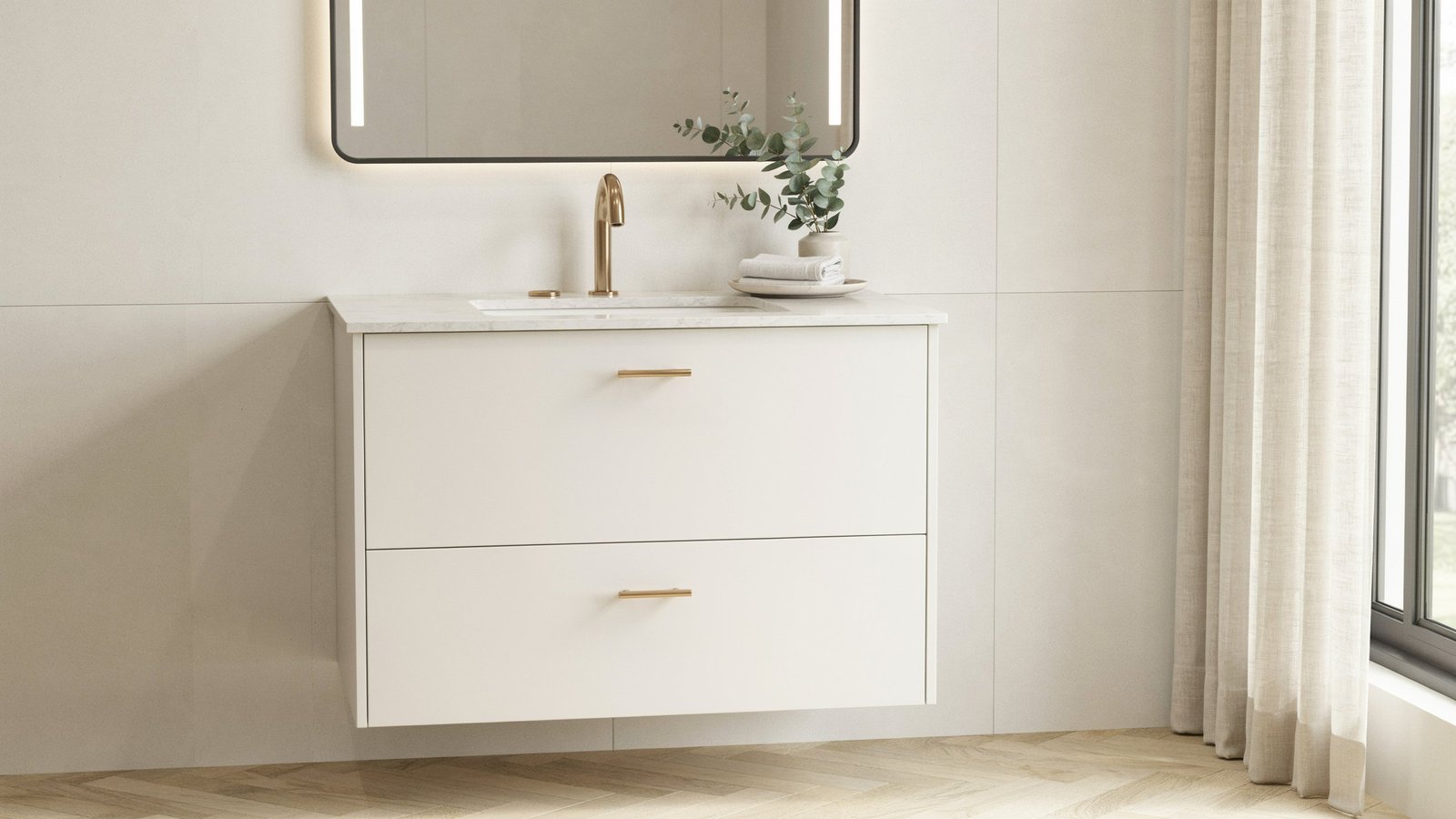
Selecting the right color finish for a Blossom vanity depends on your bathroom’s lighting, wall color, and hardware accent style. Matching neutral tones like matte white or gray creates a clean, open feel, while deep colors like navy blue or natural wood grains add bold contrast and architectural depth.
Choosing the ideal finish transforms your vanity cabinet from a basic fixture into the primary focal point of the space. Beyond appearance, modern multi-layer painted coatings and textured wood veneers protect the underlying solid wood frame from daily moisture, steam, and cosmetic stains.
Here are the most popular design finishes and how they pair with home decor trends:
- Matte & Glossy White: Brightens compact powder rooms and windowless bathrooms by reflecting light. It pairs seamlessly with brushed gold, chrome, or matte black hardware for a timeless aesthetic.
- Modern Gray & Metal Grey: Offers a versatile transitional tone that hides water spots better than bright white. Gray cabinets coordinate effortlessly with cool-toned marble countertops and slate tile flooring.
- Navy Blue & Night Blue: Delivers a striking statement look that grounds lighter wall colors like crisp white or cream. When paired with brass faucets and warm lighting, navy vanities give master suites an upscale boutique hotel vibe.
- Warm Wood Tones (Classic Oak & Walnut): Brings natural warmth, organic texture, and warmth into spa-inspired or minimalist Scandinavian designs. Real wood grain veneers soften hard tile surfaces and ceramic fixtures.
For a cohesive interior layout, coordinate your cabinet color with lighting fixtures, tile backsplashes, and wall paint. If you want a soft, earthy tone that brings a relaxing spa-like ambiance into your space, exploring a sage green bathroom vanity is an excellent way to see how muted finish pairings elevate your home’s total aesthetic value.
How Much Does a Blossom Vanity Cost and Is It Worth It?
A Blossom vanity typically costs between $600 and $2,200 depending on cabinet size, countertop material, and configuration, making it a solid mid-to-high tier investment for modern homeowners. Considering its solid wood frame construction, soft-close hardware, and pre-assembled design, it offers higher long-term durability and value than budget flat-pack cabinets.
When budgeting for a bathroom remodel, balancing upfront costs against overall build quality helps prevent premature replacements. According to national home improvement estimates from Bob Vila, fixture replacements and plumbing adjustments often make up a significant portion of a renovation budget. Investing in a pre-assembled unit with damp-resistant finishes pays off over time by eliminating common structural issues like sagging drawers, peeling laminate, or water-damaged bases.
Here is a general breakdown of price tiers and what to expect:
- Compact Single Vanities (24″ to 30″): Ranging from $600 to $900, these units are ideal for powder rooms and small guest baths, offering high-end ceramic sinks and durable hardware in a compact footprint.
- Mid-Sized Single Units (36″ to 48″): Selling typically between $900 and $1,400, these configurations include stain-resistant quartz countertops, multi-drawer storage layouts, and reinforced cabinet frames designed to withstand heavy everyday family usage.
- Double Master Vanities (60″ to 72″): Ranging from $1,500 to $2,200+, these expansive double-basin setups include premium engineered quartz tops, generous counter space, and multi-drawer layouts.
Beyond the initial cabinet cost, remember to account for basic installation expenses, such as hiring a plumber or purchasing replacement faucet hardware and supply lines. Because high-grade vanities maintain their structural integrity and finish for over a decade, they preserve both daily functional reliability and future home resale value.
If you are planning a full bathroom upgrade budget, check out our guide on bathroom remodeling cost breakdown to calculate hardware, plumbing, and tile installation expenses accurately.
Final Thoughts: Upgrading Your Bathroom Space with Confidence
Upgrading your bathroom with a Blossom vanity brings a balanced blend of daily durability, organized storage, and modern design to your home. Whether you lean toward clean modern lines or prefer the timeless charm of an antique-style bathroom vanity, choosing the right size, finish, and moisture-resistant build ensures your investment remains functional and beautiful for years to come. Now take a moment to consider — how could the right layout transform your daily morning routine?
FAQs
Q1: Are Blossom vanities made of solid wood?
Most Blossom vanities feature solid hardwood frames combined with high-grade, moisture-resistant plywood side panels. This combination prevents warping from shower humidity while ensuring long-term structural strength.
Q2: Do Blossom vanities come with a countertop and sink included?
Yes, many Blossom vanity models are sold as complete combo sets that include pre-installed engineered quartz or ceramic countertop surfaces along with integrated undermount sink basins.
Q3: Can I install a Blossom vanity by myself as a DIY project?
If you have basic plumbing knowledge and mounting skills, you can install it yourself. However, hiring a professional plumber ensures proper P-trap alignment and water-tight silicone sealing against the wall.
Q4: How do I clean and maintain a Blossom vanity countertop?
Clean the surface daily using a soft microfiber cloth and a mild, pH-neutral dish soap with warm water. Avoid harsh bleach, ammonia, or abrasive scouring sponges that can damage the protective finish.
Q5: What is the standard height of a Blossom vanity cabinet?
Standard Blossom vanities usually measure between 33 and 35 inches in total height (including the countertop thickness), which aligns with comfortable, modern ergonomic standards for everyday use.