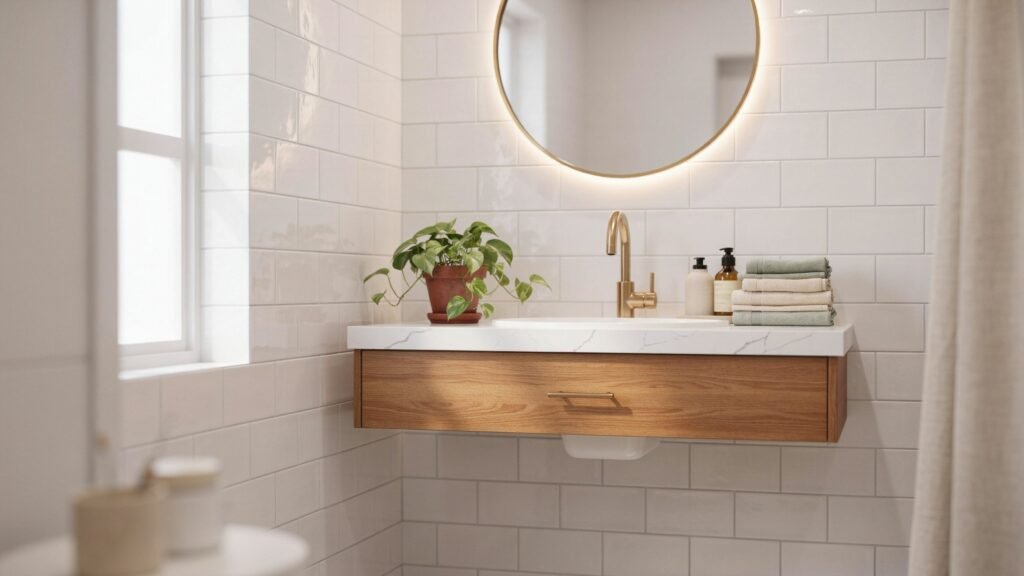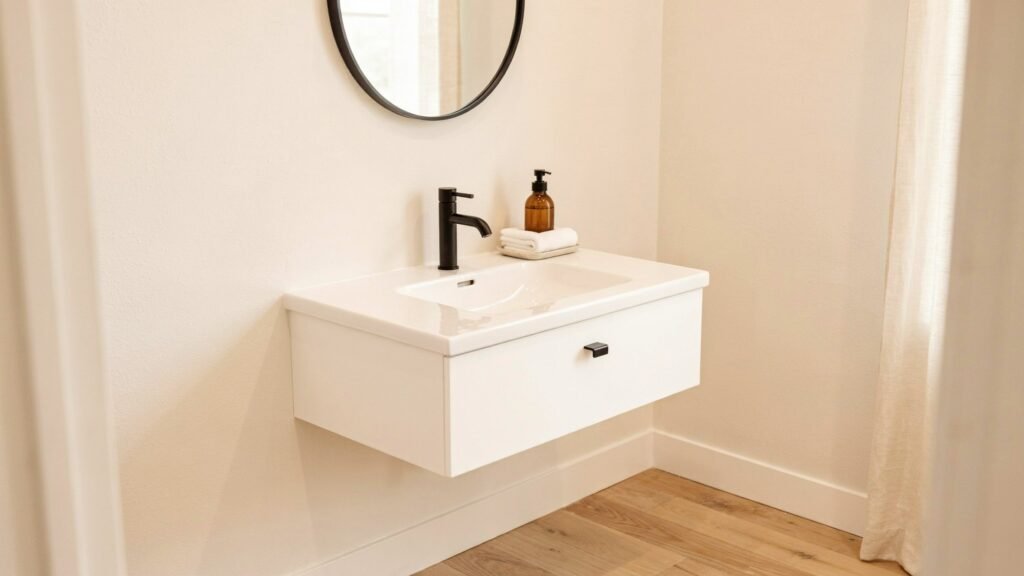
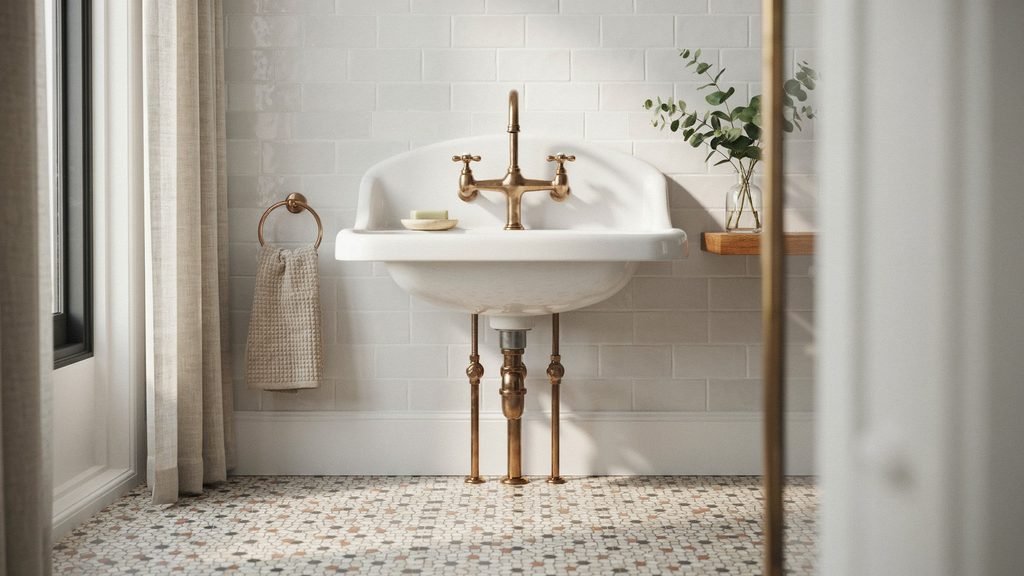
When stepping into a thoughtfully designed historical home or a modern farmhouse that honors the past, certain architectural details instantly catch the eye. Among them, the wall mount sink vintage style stands out as a true masterpiece of practicality and understated elegance. Long before oversized double-vanity cabinets dominated modern floor plans, bathrooms relied on wall-hung fixtures to maximize space, ease cleaning, and showcase stunning craftsmanship.
For homeowners and interior design enthusiasts looking to infuse character into their powder rooms or master ensuites, choosing a vintage wall-mounted sink offers an effortless bridge between bygone eras and today’s interior trends. This comprehensive guide explores why these classic fixtures are making a massive comeback, how to select the right design for your space, and tips on installation and maintenance to keep your bathroom looking effortlessly chic.
Table of Contents
The Historical Appeal of Wall-Hung Plumbing Fixtures
To truly appreciate the charm of a vintage wall-mounted sink, it helps to understand its origins. In the late 19th and early 20th centuries, urban dwellings and Victorian homes featured compact footprints. Plumbers and designers needed clever solutions to optimize limited square footage. The result was the cast-iron or porcelain wall-hung basin, which freed up valuable floor space and made maintaining sanitary conditions much easier in an era when home hygiene standards were rapidly evolving.
The Architectural Shift Over Decades
- Victorian Era: Ornate detailing, high splashbacks, and exposed brass or nickel-plated brass trap pipes.
- Edwardian Period: Simpler, cleaner geometric lines paired with pedestal-style wall brackets.
- Mid-Century Modern: Transitioning toward smooth, streamlined fireclay basins that prioritized minimalism without sacrificing durability.
These fixtures weren’t just functional; they were statement pieces. Today, incorporating a vintage-inspired wall-mount sink or a classic wall-mounted vanity style into a home renovation allows you to tap into that rich design heritage, instantly giving a newly constructed or cookie-cutter bathroom a sense of authentic history and soul.
Why Choose a Vintage Wall-Mount Sink Today?
With so many bathroom vanity styles available—from floating modern slabs to heavy oak cabinetry—why should you consider a vintage wall-hung sink? The benefits go far beyond aesthetic appeal.
1. Space-Saving Brilliance for Small Bathrooms
Small powder rooms, half-baths, and tight guest bathrooms require smart spatial planning. Because a wall-mount sink lacks a bulky vanity base or pedestal touching the floor, it creates an optical illusion of openness. The exposed floor area makes the entire room feel larger, airier, and less cramped.
2. Exceptional Versatility in Height Installation
Unlike standard floor-standing vanities that come pre-set at a fixed height (typically 32 to 34 inches), wall-mounted sinks can be installed at custom heights. Whether you are tall, have children, or are designing an accessible universal-design bathroom, you can mount the basin precisely where it feels most ergonomic.
3. Unmatched Aesthetic Character
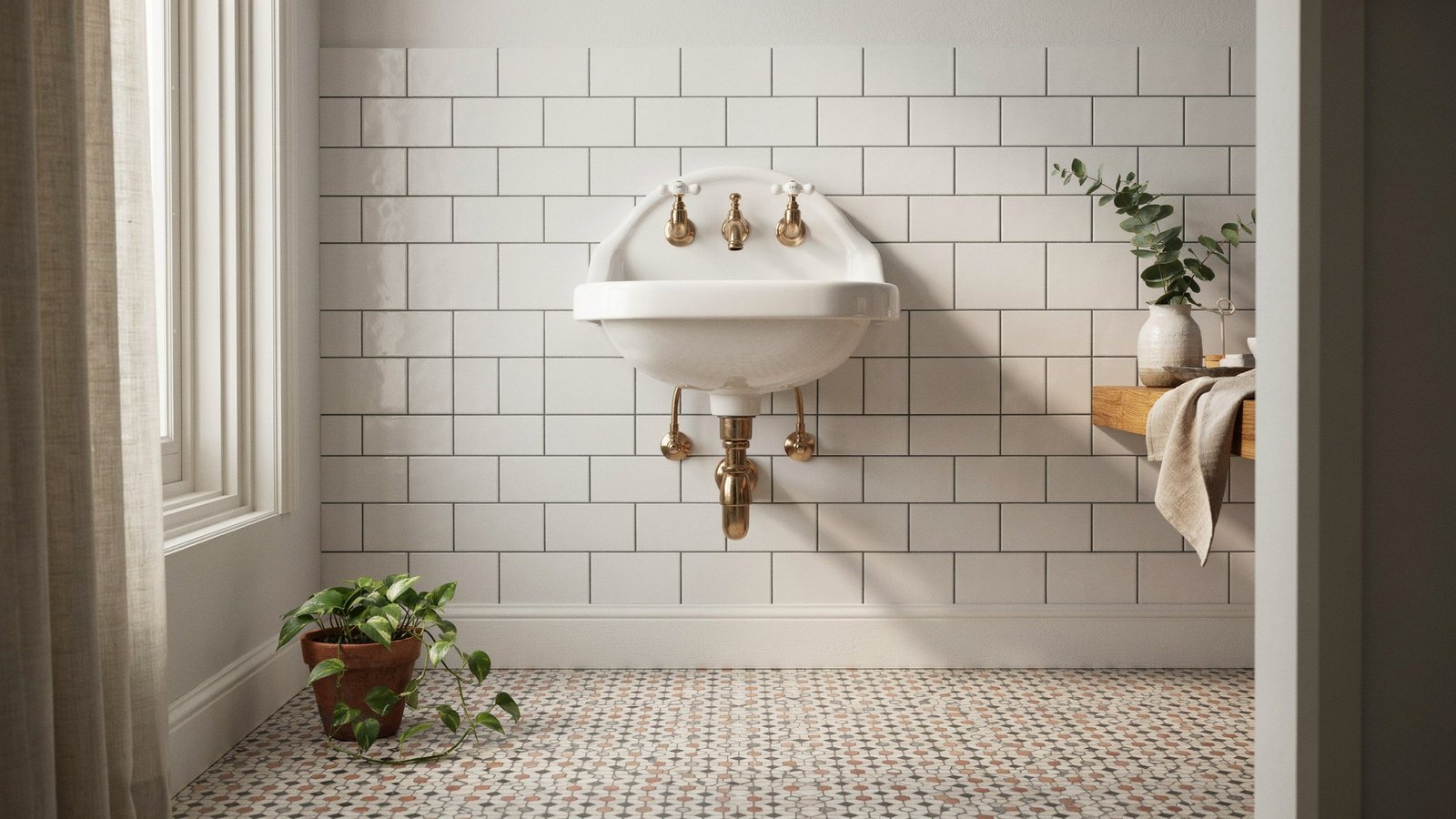
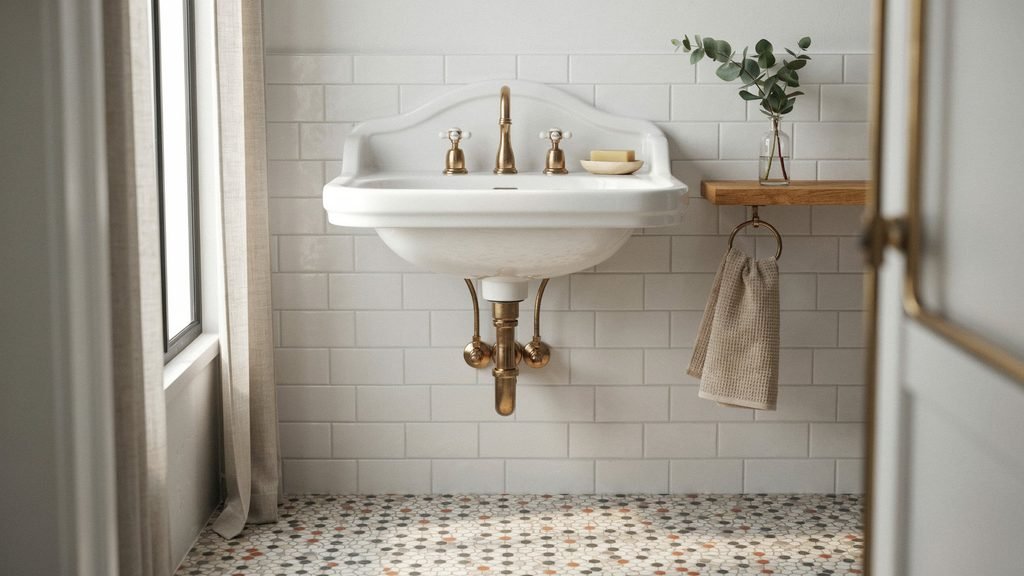
Modern minimalism can sometimes feel cold or clinical. A vintage wall-mount sink introduces organic curves, deep basins, period-correct cross handles, and exposed metalwork (like aged brass, polished nickel, or oil-rubbed bronze) that add warmth, texture, and visual depth to your decor.
Key Design Styles to Consider
When shopping for a vintage wall-mount sink, you will encounter several distinct styles. Choosing the right one depends on your home’s overall architecture and your personal design aesthetic.
The Traditional High-Back Farmhouse Basin
Characterized by a tall ceramic back panel that mounts directly to the wall—often featuring integrated soap dishes or a built-in backsplash—these sinks prevent water from splashing directly onto your wallpaper or painted drywall. They look exceptionally stunning paired with board-and-batten or beadboard wall treatments.
The Art Deco Geometric Sink
Popularized during the 1920s and 1930s, Art Deco wall sinks feature bold angles, fluted pedestal brackets, and symmetrical lines. If your home leans toward a glamorous, sophisticated vintage vibe, this style brings dramatic flair to a powder room.
The Minimalist Schoolhouse Basin
Simple, utilitarian, and deeply charming, schoolhouse-style wall sinks feature a deep round or rectangular basin resting on exposed cast-iron brackets. They fit seamlessly into cottagecore, rustic farmhouse, and transitional interior spaces.
Pairing Hardware and Fixtures for Authentic Vintage Vibes
The sink basin itself is only half the equation. To pull off an authentic vintage look, the accompanying plumbing fixtures and accessories must match the era.
Choosing the Right Faucet Configuration
- Widespread Bridge Faucets: Featuring separate hot and cold handles connected by a decorative bridge, these faucets scream vintage luxury.
- Cross Handles vs. Lever Handles: Opt for four-point porcelain-inlaid cross handles labeled “Hot” and “Cold” for maximum period accuracy.
- Metal Finishes: Skip bright modern chrome. Instead, choose living finishes like unlacquered brass, brushed nickel, or warm bronze light fixture finishes that develop a gorgeous character over time.
Embracing Exposed P-Traps and Supply Lines
With traditional vanities, unsightly plumbing pipes are hidden behind cabinet doors. With a wall-mount sink, the plumbing is entirely on display. Rather than hiding it, celebrate it! Invest in matching decorative P-traps, supply valves, and extension tubes in your chosen metal finish to turn functional plumbing into jewelry for your bathroom. Just make sure to properly seal and protect your wall area by installing a suitable bathroom vanity backsplash to handle daily water splashes.
Practical Considerations Before Installation
Before purchasing a vintage wall-mount sink, a few technical factors must be evaluated to ensure a smooth remodeling process.
1. Wall Reinforcement and Structural Support
Wall-mounted sinks are heavy—especially genuine antique cast-iron models or thick fireclay basins. Furthermore, they must support downward pressure when leaning or washing hands. You will need to install robust wood blocking (such as 2×6 framing) between your wall studs before hanging drywall to provide a secure anchor point.
2. Plumbing Placement Adjustments
If your bathroom previously featured a standard floor vanity with interior plumbing, your water supply lines and drain waste pipes will likely need to be repositioned inside the wall. Consulting a licensed plumber before tearing down drywall ensures your rough-in plumbing aligns perfectly with the new sink configuration.
3. Storage Alternatives
The biggest trade-off of choosing a wall-mounted sink is the loss of under-sink cabinet storage. To compensate, consider incorporating:
- Recessed medicine cabinets with mirrored doors.
- Floating wooden shelving mounted just above or beside the sink for rolled hand towels and toiletries.
- Vintage wicker baskets stored neatly on the floor beneath the basin for extra toilet paper or linens.
Maintaining Your Vintage Wall-Mount Sink
Keeping your vintage or vintage-inspired sink looking pristine requires gentle, consistent care, especially if you opted for authentic materials like fireclay, porcelain, or unlacquered brass.
- Avoid Harsh Chemicals: Skip abrasive scouring powders and bleach, which can dull porcelain glaze or strip protective lacquers off specialty metal finishes. Following historic fixture care guidelines from trusted home restoration experts at This Old House, stick to mild dish soap, warm water, and a soft microfiber cloth to preserve delicate glazes safely.
- Protecting Metal Finishes: If you selected unlacquered brass fixtures, embrace the natural tarnishing process. If you prefer to keep them shiny, use a specialized non-abrasive metal cleaner recommended by the manufacturer.
- Sealing Grout and Edges: If your sink features a tiled backsplash or wall seal, periodically check the silicone caulking to prevent moisture seepage behind the drywall.
Conclusion
Incorporating a wall mount sink vintage style into your home renovation is more than just a design choice—it’s an appreciation of classic craftsmanship, efficient spatial planning, and timeless beauty. By balancing historical charm with modern structural support and thoughtful plumbing choices, you can create a bathroom space that feels both deeply personal and enduringly stylish. Whether you’re restoring a historic home or updating an antique style bathroom vanity in a modern build, this classic fixture proves that true style never goes out of fashion.
FAQs
What is a wall-mounted sink called?
A wall-mounted sink is commonly referred to as a wall-hung sink, floating sink, or basin sink. In older architectural terms, high-back models are often called farmhouse basins or utility sinks.
What did sinks look like in the 1930s?
In the 1930s (the Art Deco era), sinks were made of heavy cast iron coated in vitreous enamel or porcelain. They featured bold geometric shapes, fluted pedestal legs or heavy wall brackets, high integrated backsplashes, and two separate hot and cold cross-handle faucets. Pastel colors like jade green, pink, and light blue were also very popular.
Are wall-hung sinks good?
Yes, they are excellent for small bathrooms. They free up valuable floor space, make cleaning underneath effortless, and can be mounted at custom heights. However, they lack hidden cabinet storage and require solid wall reinforcement during installation.
What are some vintage sinks available?
Common vintage sink styles include high-back farmhouse sinks with built-in splash guards, Art Deco pedestal and wall sinks with geometric designs, drainboard sinks with integrated drying boards, and deep schoolhouse utility sinks with exposed brackets.
How are wall-mounted sinks installed?
Installation involves three main steps. First, wooden blocking is added inside the wall studs for structural support. Second, drain and water supply pipes are aligned under the sink center. Third, heavy-duty steel brackets are attached to the studs, and the sink is hung securely before connecting the plumbing.
What is a Murphy sink?
A Murphy sink (named after the concept of the Murphy bed) is a fold-away or drop-down sink designed for ultra-compact spaces, such as vintage RVs, trains, or tiny historic apartments. It folds flush into a wall cabinet when not in use.
What is a mud sink?
A mud sink, often referred to as a utility or slop basin, is a deep and durable plumbing fixture typically placed in mudrooms, laundry spaces, or garages. Engineered for heavy-duty household chores, it provides ample space for washing pets, soaking soiled footwear, and cleaning dirty tools without splashing water across the room.
About the Author
Bilal Khan is a passionate home interior enthusiast and content creator dedicated to sharing practical design tips and authentic home restoration guides. With a deep appreciation for classic craftsmanship and thoughtful space design, he helps homeowners transform everyday bathrooms into timeless, functional spaces. When not researching historic fixture designs, Bilal spends his time exploring modern home improvement ideas and helping readers make confident renovation choices.