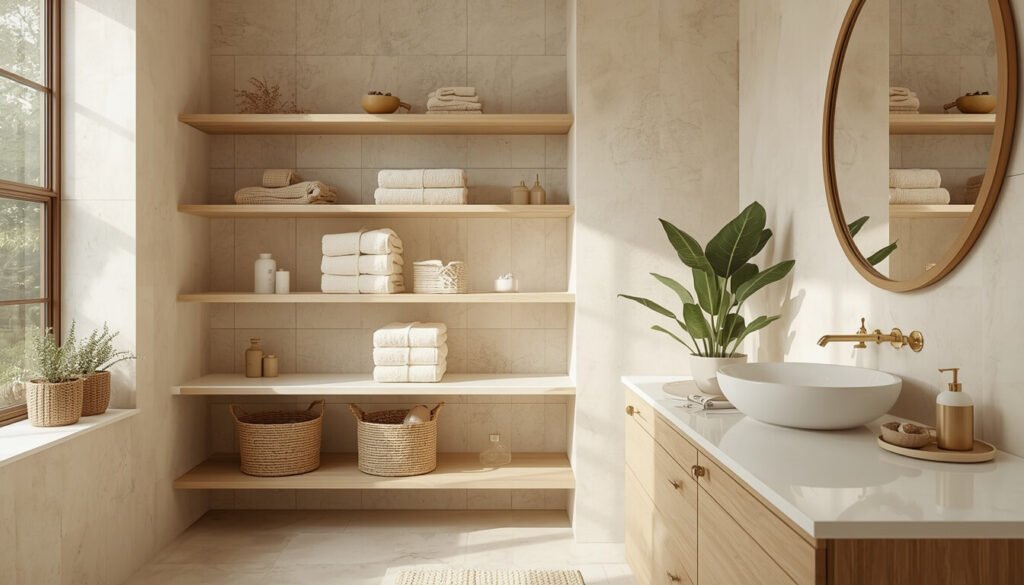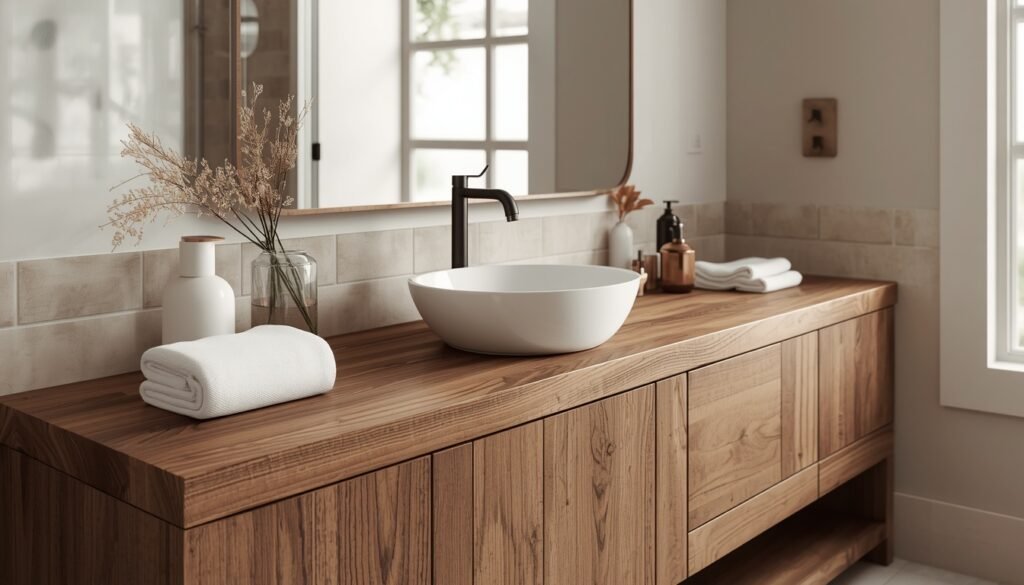
Adding a utility sink vanity can make your laundry room, basement, or mudroom far more practical. Many homes struggle with messy cleaning projects because small bathroom sinks are simply not built for heavy tasks. Combining a deep wash basin with a built-in storage cabinet gives you a dedicated spot for tough cleaning jobs while keeping supplies out of sight.
This simple guide walks you through what these fixtures offer, how they differ from basic tubs, how to pick the right size, and simple steps to keep yours in great shape.
Table of Contents
What Is a Utility Sink Vanity?
A utility sink vanity is a heavy-duty wash basin mounted directly on top of a spacious storage cabinet. Unlike traditional freestanding tubs that leave water supply and drain pipes exposed, this setup neatly encloses hot and cold plumbing lines inside the cabinet base while giving you a deep basin for all kinds of household chores.
The high-capacity tub is specifically built to handle heavy cleaning tasks like soaking stain-treated clothes, rinsing paintbrushes, washing pets, or cleaning dirty tools. Below the basin, the enclosed storage cabinet offers a dedicated spot for laundry detergent, cleaning sprays, mop buckets, and scrub brushes, making it an essential addition to any organized laundry room or utility space. If you want to explore different fixture styles and sizes for your home, check out our guide on bathroom vanities.
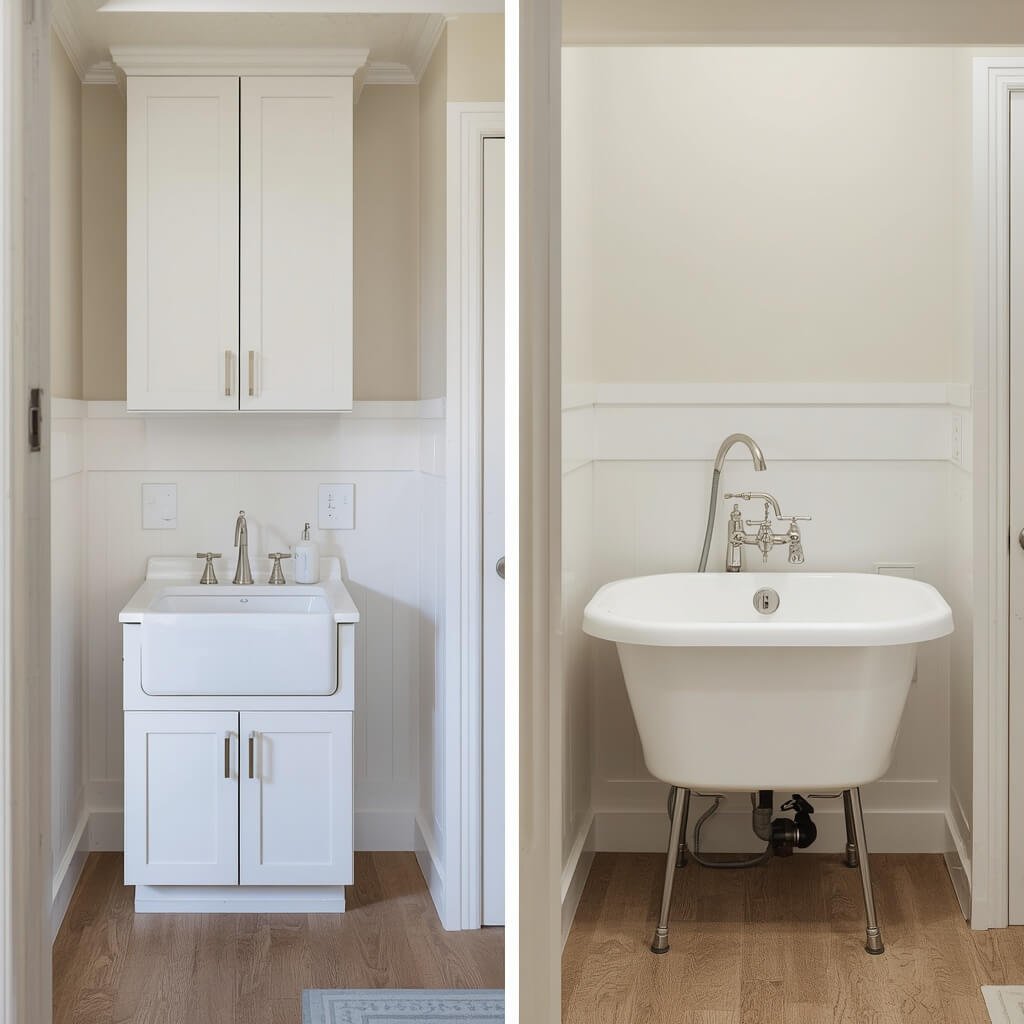
Utility Sink Vanity vs. Standard Utility Sink: What Is the Difference?
The main difference comes down to storage, structure, and visual appeal. Standard utility tubs sit on thin metal legs with exposed pipes, while a vanity design surrounds the plumbing with solid cabinet walls.
Here is a quick look at how they compare:
- Storage Space: A vanity model offers enclosed cabinet shelves, whereas a basic tub leaves everything exposed on the floor.
- Appearance: Cabinet models look like finished furniture, while traditional tubs look purely industrial.
- Pipe Protection: The lower cabinet shields water lines and drain pipes from bumps and accidental damage.
- Layout Needs: Tubs fit into tight corners easily, while vanities require flat wall space similar to a standard cabinet layout.
Key Benefits of Adding One to Your Laundry Area
Installing this type of fixture protects your kitchen and main bathroom fixtures from dirt, harsh chemicals, and scratches. Regular home sinks are easily damaged when washing heavy tools or bucket cleaning.
Here are the main daily advantages:
- Keeps Messes Separate: Heavy dirt, mud, and chemicals stay out of areas where you prepare food or wash your hands.
- Hides Everyday Clutter: Bottles, sponges, and cleaning supplies stay stored neatly out of sight behind cabinet doors.
- Adds Useful Surface Area: Wide basin edges give you a spot to set down liquid detergent or scrub brushes while working.
- Improves Room Organization: Having dedicated storage keeps floor space clear and prevents tripping hazards.
How to Choose the Right Size and Material for Your Space
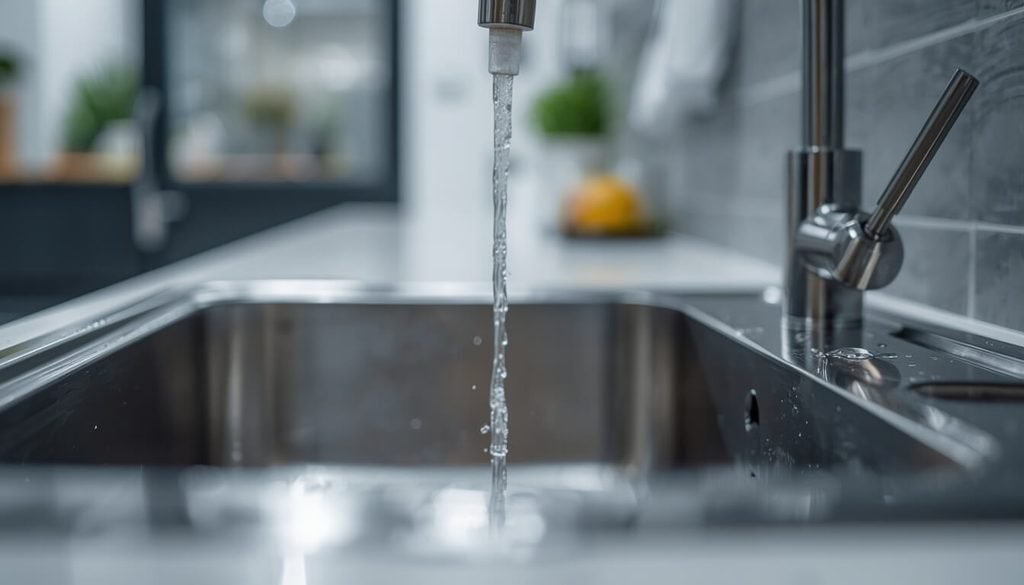
Picking the right model requires checking your room measurements and choosing materials that resist water and heavy use. Since laundry rooms often have tight floor layouts, measuring wall space and door openings first is crucial.
Basin Options
- Stainless Steel: Strong, easy to wipe clean, rust-resistant, and matches modern laundry appliances.
- Thermoplastic / ABS: Affordable, lightweight, highly resistant to stains, and completely waterproof.
- Ceramic / Fireclay: Smooth finish and high scratch resistance, though heavier to install.
Cabinet Options
- Moisture-Resistant Plywood: Holds up extremely well under heavy loads and frequent water exposure.
- Coated Composite Board: Budget-friendly, as long as edges are well-sealed against moisture.
If you are also exploring textured wooden accents or modern cabinet finishes for other areas of your home, you can read our detailed overview on fluted vanity guide.
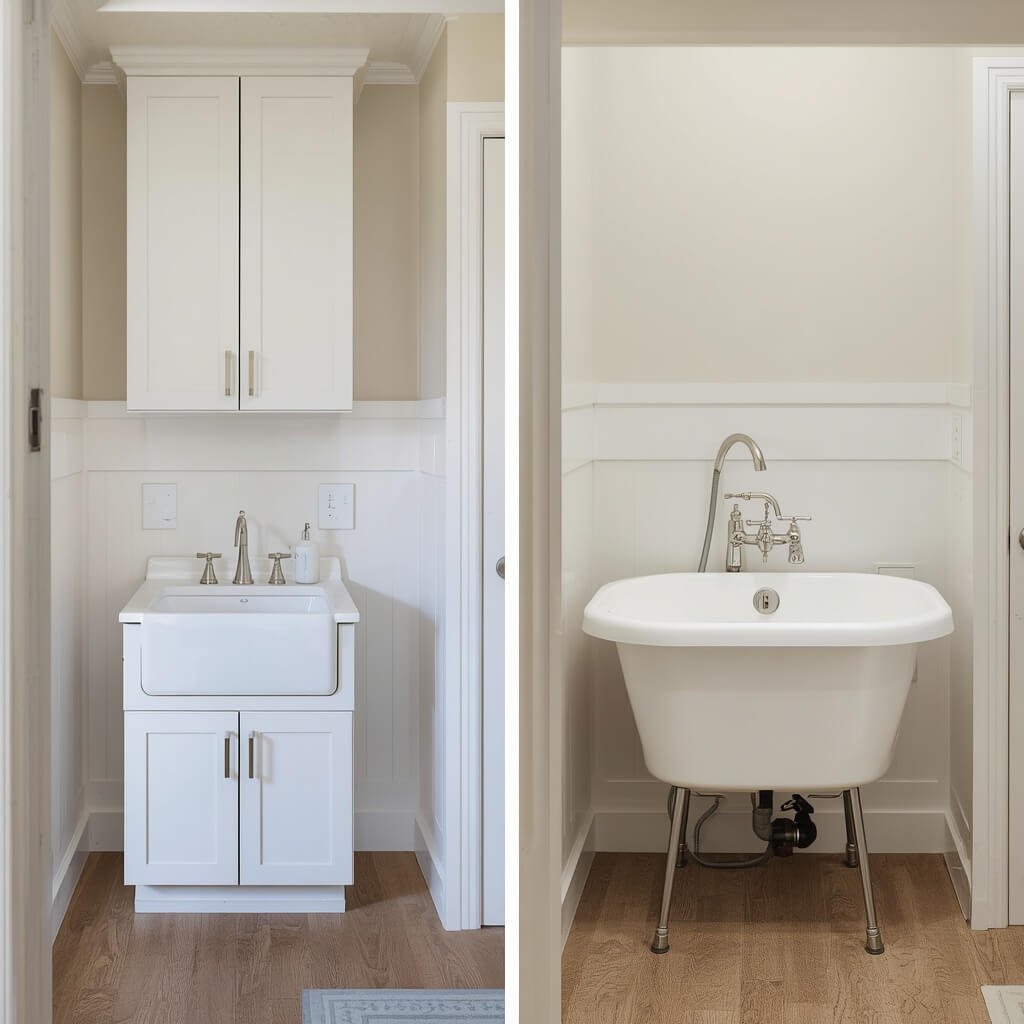
Real-World Setup: Practical Placement in a US Laundry Room
Positioning a utility fixture near existing plumbing lines and main drains minimizes installation effort and avoids expensive pipe modifications. In most American households, installing the cabinet directly adjacent to the washing machine provides seamless access to hot and cold water valves while maintaining an open, functional layout.
Following basic home design and accessibility guidelines—such as maintaining proper clearance around appliances as outlined in the U.S. Department of Housing and Urban Development standards—ensures your laundry space remains easy to navigate.
Here is a practical setup process used by homeowners and professional organizers:
- Align with Existing Pipes: Place the unit next to main water shutoff valves and drain stacks to keep plumbing installation simple and cost-effective.
- Add a High-Arc Faucet: Pair the deep basin with a high-arc pull-down sprayer faucet to easily fill large mop buckets or rinse out tight corners.
- Use Plastic Storage Bins: Group laundry detergent, stain removers, pest control items, and auto supplies into clear plastic bins inside the lower cabinet for organized storage.
- Hang Wall Hooks: Place small utility hooks or a short towel bar on the wall nearby to air-dry cleaning rags, sponges, and heavy rubber gloves.
Simple Care and Cleaning Tips
Regular care keeps both the basin and cabinet clean, odor-free, and in good condition for years. Because these fixtures handle heavy dirt and water, simple upkeep makes a big difference in extending the lifespan of your setup. To understand more about fixture structures and base designs, read our full article on what is a vanity.
Rinse After Heavy Use
Flush away dirt, soap residue, and chemicals immediately after every project. Leaving paint, chemical residue, or soapy mud inside the basin can cause permanent staining or surface corrosion over time. A quick rinse with clean water keeps the surface smooth and easy to sanitize.
Wipe Down Cabinet Doors
Gently clean water splashes off the cabinet doors using a damp microfiber cloth with a few drops of soft dish soap. Allowing standing water to rest on wood panels can seep into seam joints, leading to swollen wood layers or cracked paint finishes. Habitual cleaning keeps the surface protected and looking like new.
Check Under-Sink Plumbing
Inspect drain traps and supply lines once a month for small leaks. Undetected water drips inside the enclosed cabinet can damage stored supplies, cause mold growth, and rot the wooden base structure. Catching minor leaks early saves you from costly plumbing repairs.
Use a Drain Catcher
Place a simple mesh strainer over the drain to trap lint, hair, and small debris before clogs form. Utility sinks often receive heavy debris from washing mop heads, rags, or outdoor gear, which can easily block main plumbing pipes if left unprotected.
Quick Comparison: Key Features & Specifications Overview
To help you quickly decide on the best setup for your home, here is a detailed breakdown of the key features, materials, and layout options for utility sink vanities:
| Feature / Aspect | Stainless Steel Basin Vanity | Thermoplastic / ABS Basin Vanity | Ceramic / Fireclay Basin Vanity |
| Best Used For | Heavy-duty cleaning, paint cleanup, and tool washing | Budget-conscious laundry setups and stain treatment | High-end laundry rooms, mudrooms, and pet washing |
| Durability Level | High (Rust, heat, and impact resistant) | Medium (High chemical & rust resistance) | Very High (Scratch and stain proof) |
| Storage Capacity | Enclosed lower cabinet with adjustable shelf | Single/Double door basic lower cabinet | Heavy-duty solid wood base cabinet |
| Maintenance Need | Easy wipe-down; resists water spots | Low maintenance; non-porous surface | Regular cleaning; avoid dropping heavy tools |
| Installation Fit | Ideal next to washing machines (US standard) | Fits small laundry closets & tight spaces | Requires reinforced floor & wall support |
FAQs
What is the difference between a laundry sink and a utility sink?
A laundry sink is specifically designed for washing clothes, soaking fabrics, and treating stains, whereas a utility sink is a broader, heavy-duty fixture built for general cleaning, washing pets, rinsing paintbrushes, and handling harsh messy chores.
What is the best laundry utility sink?
The best laundry utility sink depends on your material preference: stainless steel is best for modern durability and easy cleaning, thermoplastic/ABS is ideal for budget-friendly rust resistance, and fireclay offers a high-end, scratch-resistant look.
What is the point of a utility sink?
The main point of a utility sink is to provide a deep, high-capacity basin for heavy-duty household tasks, keeping dirt, harsh chemicals, grease, and mud away from your main kitchen and bathroom sinks.
What type of sink is best for a utility room?
A utility sink vanity with a high-arc pull-down faucet is best for a utility room because it combines a deep, durable basin with built-in cabinet storage to hide plumbing and cleaning supplies.
What is a good small utility sink for a laundry room?
A 20-inch to 24-inch freestanding stainless steel or plastic utility sink vanity is an ideal compact choice that saves floor space while still providing enough basin depth for everyday chores.
Is it worth having a sink in a utility room?
Yes, having a sink in a utility room is completely worth it because it protects your main home fixtures from damage, makes heavy house cleaning significantly easier, and adds practical functionality that increases home value.
Conclusion
A utility sink vanity is a practical addition that brings extra function and storage to any busy home. By combining a large washing tub with a sturdy cabinet, it handles tough cleaning jobs easily while keeping your workspace organized. Choosing durable materials and the right fit ensures your setup serves your household reliably for years.
About the Author
Bilal Khan
Home Improvement & Utility Spaces Specialist
Bilal Khan is a dedicated home improvement researcher and writer with a passion for functional home design, smart storage solutions, and practical utility spaces. Having researched and tested dozens of laundry, mudroom, and bathroom fixtures, he specializes in helping homeowners optimize their living spaces through honest buying guides and practical care tips. When he isn’t reviewing durable home fixtures, he spends his time analyzing residential organization trends to create accurate, easy-to-read guides.