Introduction
Have you noticed water spots or fingerprints on your bathroom faucet even after cleaning it? Knowing how to clean polished brass bathroom fixtures helps you remove everyday dirt while protecting the finish. The best cleaning method varies according to the fixture’s surface finish, such as coated brass, untreated brass, or brass-plated material. This guide covers safe cleaning supplies, step-by-step cleaning methods, water-spot removal, common mistakes, and simple maintenance tips to help keep your brass fixtures looking their best.
Table of Contents
How to Clean Polished Brass Bathroom Fixtures Safely
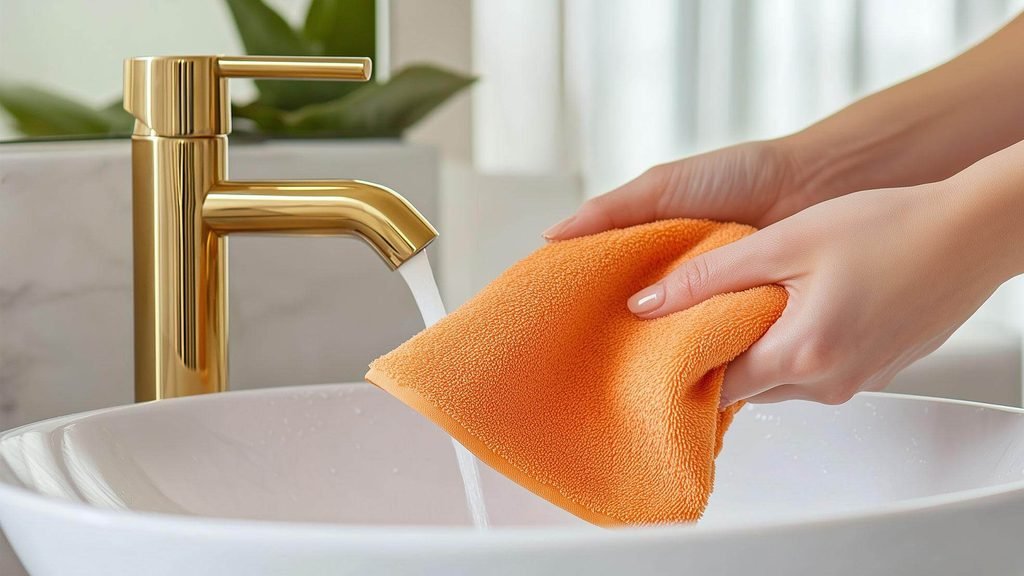
To clean polished brass bathroom fixtures safely, use warm water, a small amount of mild dish soap, and a soft microfiber cloth. Before cleaning, identify whether the fixture has a lacquered, unlacquered, or brass-plated finish, because the wrong cleaning product can cause discoloration or damage its protective coating.
Step-by-Step Cleaning Method
1. Remove dust and loose residue.
Wipe the fixture gently with a clean, dry microfiber cloth to remove dust, fingerprints, and loose dirt. This helps prevent small particles from scratching the polished surface during cleaning.
2. Make a mild cleaning mixture.
Add a small amount of gentle dishwashing liquid to lukewarm water and stir lightly. Skip harsh cleaning products and excessively hot water, as they may harm some brass finishes.
3. Clean the surface gently.
Dampen a soft cloth with the solution and wipe the faucet, handles, and other brass bathroom hardware. For example, if toothpaste or soap residue has collected around a faucet handle, gently wipe the area rather than scrubbing it with an abrasive sponge.
4. Wipe away leftover cleaner.
Use a fresh cloth lightly moistened with plain water to clear away any traces of soap. Clean the surface promptly rather than allowing moisture or soapy residue to remain on the brass.
5. Dry and buff the fixture.
Use a fresh, soft microfiber cloth to dry the entire surface thoroughly. This helps prevent water spots and mineral deposits, particularly in bathrooms where hard water is common.
What Should You Avoid?
When learning how to clean polished brass bathroom fixtures, remember that not every brass-colored surface is made from solid brass. Some fixtures have a thin brass plating or a protective lacquer that can be damaged by aggressive cleaning.
Avoid these common mistakes:
- Abrasive cleaners and scrubbers: These can scratch polished surfaces and wear away protective finishes.
- Vinegar and lemon juice: Their acidity may damage lacquered or plated finishes, so do not use them unless the manufacturer specifically approves them.
- Unapproved brass polish: A polishing compound suitable for bare brass may damage a lacquered fixture.
- Excess moisture: Leaving water on the surface can create spots and marks, especially in hard-water areas.
For lacquered brass, check the manufacturer’s care guidelines and avoid metal polish unless it is specifically suitable for the finish. Unlacquered brass can gradually develop a natural patina, so routine cleaning may not restore its original mirror-like shine.
Regular, gentle cleaning helps maintain the appearance of polished brass bathroom fixtures. If you notice stubborn tarnish, peeling lacquer, or unusual discoloration, identify the finish before using stronger products. For more bathroom design inspiration, explore these double-sink bathroom vanity mirror ideas to complement your bathroom’s fixtures and overall style.
How to Identify Lacquered and Unlacquered Brass
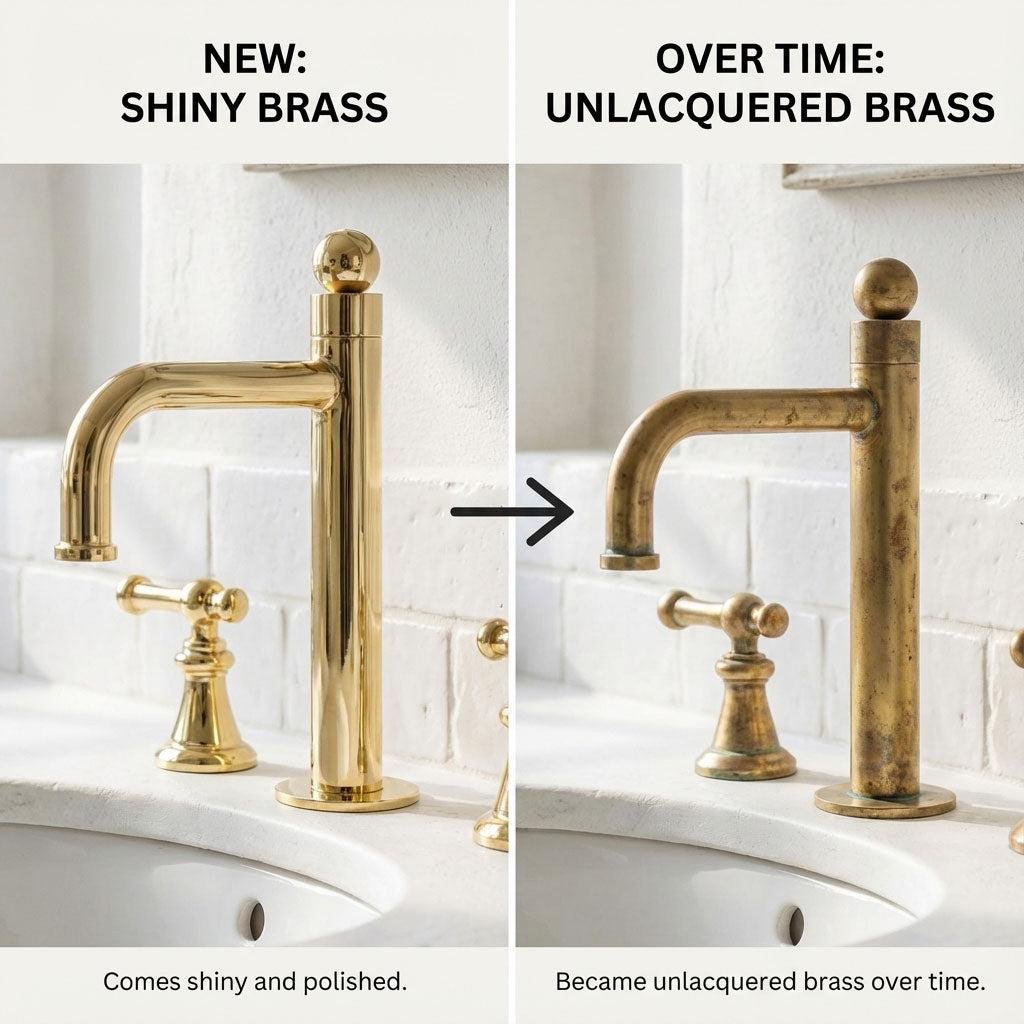
To clean polished brass bathroom fixtures safely, first determine whether the surface is lacquered brass, unlacquered brass, or brass plating. These finishes can look similar, but they respond differently to water, cleaning products, and brass polish.
What Is Lacquered Brass?
Lacquered brass features a transparent seal that covers the metal and helps protect its surface. This coating helps preserve the finish and slows tarnishing, making the surface easier to maintain with gentle cleaning.
Common signs of lacquered brass include:
- A consistent, glossy appearance across the fixture.
- Little visible change in color over time when the coating remains intact.
- A finish that typically requires regular cleaning with mild soap and water rather than brass polish or other metal-polishing products.
For example, a polished brass bathroom faucet that still looks evenly golden after years of regular use may have a protective lacquer coating. However, appearance alone cannot confirm the finish.
What Is Unlacquered Brass?
Unlacquered brass has no protective lacquer layer, so the exposed metal naturally reacts with air, moisture, and everyday use. Over time, it may develop a darker color or a natural brass patina.
Common signs of unlacquered brass include:
- Gradual changes in color, especially around handles and frequently touched areas.
- Gradual discoloration and tarnish on unlacquered brass bathroom fixtures over time.
- A finish that may respond to a suitable brass polishing compound.
Patina is a natural change in the metal’s appearance, not necessarily a sign of poor maintenance. If you prefer a consistent, bright finish, remember that polishing bare brass may require more care than cleaning lacquered fixtures.
How Can You Identify Brass-Plated Fixtures?
Some bathroom faucets and accessories are made from another metal with a thin brass-plated surface. Unlike solid brass, this outer layer can wear away if you use abrasive cleaners, rough scrubbers, or unsuitable polishing products.
Check the product label, installation paperwork, or manufacturer’s website for the material and finish. If you cannot confirm whether the fixture is solid brass, lacquered brass, or brass plating, use a mild cleaning solution and a soft microfiber cloth until you know more.
Which Cleaning Method Is Best for Each Finish?
| Fixture finish | Recommended care |
| Lacquered brass | Mild dish soap, lukewarm water, and a soft microfiber cloth for safe brass fixture cleaning. |
| Unlacquered brass | Clean gently and apply brass polish only if it suits the fixture’s finish. |
| Brass-plated fixtures | Non-abrasive cleaning with minimal pressure |
| Unknown finish | Use the care guidelines provided with the fixture and steer clear of strong cleaning agents. |
Avoid using vinegar, lemon juice, or abrasive polishing products as a test. These can damage some protective coatings and plated surfaces.
Correctly identifying the finish is an important first step in learning how to clean polished brass bathroom fixtures without causing discoloration or surface damage. Once you know the material, you can choose suitable cleaning products and establish a gentle maintenance routine. For more ideas on coordinating brass hardware with your bathroom design, explore bathroom vanity and design ideas.
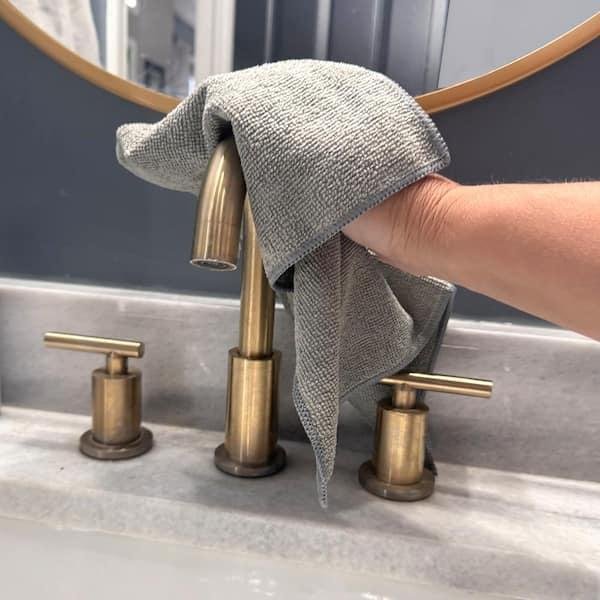
What Cleaning Supplies Are Safe for Polished Brass?
The safest supplies for cleaning polished brass bathroom fixtures are mild dish soap, warm water, and a soft microfiber cloth. These help remove fingerprints, soap residue, and everyday dirt without scratching the surface.
Supplies You Can Use
- Mild dish soap: Mix a few drops with warm water to create a gentle cleaning solution.
- Soft microfiber cloth: Wipe away dirt without scratching the polished finish.
- Clean water: Remove leftover soap to prevent residue.
- Dry microfiber towel: Dry the fixture thoroughly to reduce water spots and mineral deposits.
What Should You Avoid?
Avoid abrasive cleaners, rough scrubbers, and unapproved brass polish. Vinegar and lemon juice can damage some lacquered or brass-plated finishes, so check the manufacturer’s care instructions before using them.
For example, if hard-water marks appear around your bathroom faucet, start with a damp microfiber cloth and mild soapy water instead of a harsh chemical cleaner. Always test an approved product on a small, inconspicuous area first.
Choosing the right supplies makes it easier to maintain polished brass faucet care and prevent finish damage. For more inspiration when updating your bathroom, explore sage green bathroom vanity ideas.
How to Clean Polished Brass Faucets Step by Step
To clean polished brass faucets, use mild dish soap, warm water, and a soft microfiber cloth. This gentle method removes fingerprints, soap residue, and everyday dirt while helping prevent scratches and damage to the finish.
Step-by-Step Cleaning Instructions
1. Clear away surface dust.
Gently wipe the faucet with a dry microfiber cloth to lift dust and debris before applying any cleaning solution.
2. Prepare a gentle cleaning solution.
Add a few drops of mild dish soap to a bowl of warm water. Avoid strong chemicals that may harm the protective coating.
3. Wipe the brass faucet.
Dampen a soft cloth with the solution and gently clean the faucet, handles, and base. If toothpaste or soap residue has dried around the handle, let the damp cloth loosen it instead of scrubbing.
4. Wipe off remaining soap.
Use a clean, water-dampened cloth to remove leftover cleaner and help keep polished brass bathroom fixtures free from streaks and residue buildup.
5. Dry the surface completely.
Buff the faucet with a clean, dry cloth to reduce water spots and mineral deposits. This step is especially helpful in homes with hard water.
What If the Faucet Still Looks Dull?
Before using brass polish, identify whether the faucet has a lacquered brass finish, unlacquered brass, or brass plating. Unapproved polishing compounds can damage a protective coating or wear away a plated surface. Follow the manufacturer’s care instructions if tarnish or surface discoloration remains.
For regular brass bathroom fixture maintenance, clean the faucet whenever you notice fingerprints or water marks, rather than waiting for heavy buildup. These simple brass fixture cleaning methods can also help care for coordinating bathroom hardware, such as towel bars and cabinet handles. If you’re updating the surrounding space, explore bathroom vanity design ideas for inspiration.
How to Remove Water Spots From Brass Bathroom Fixtures
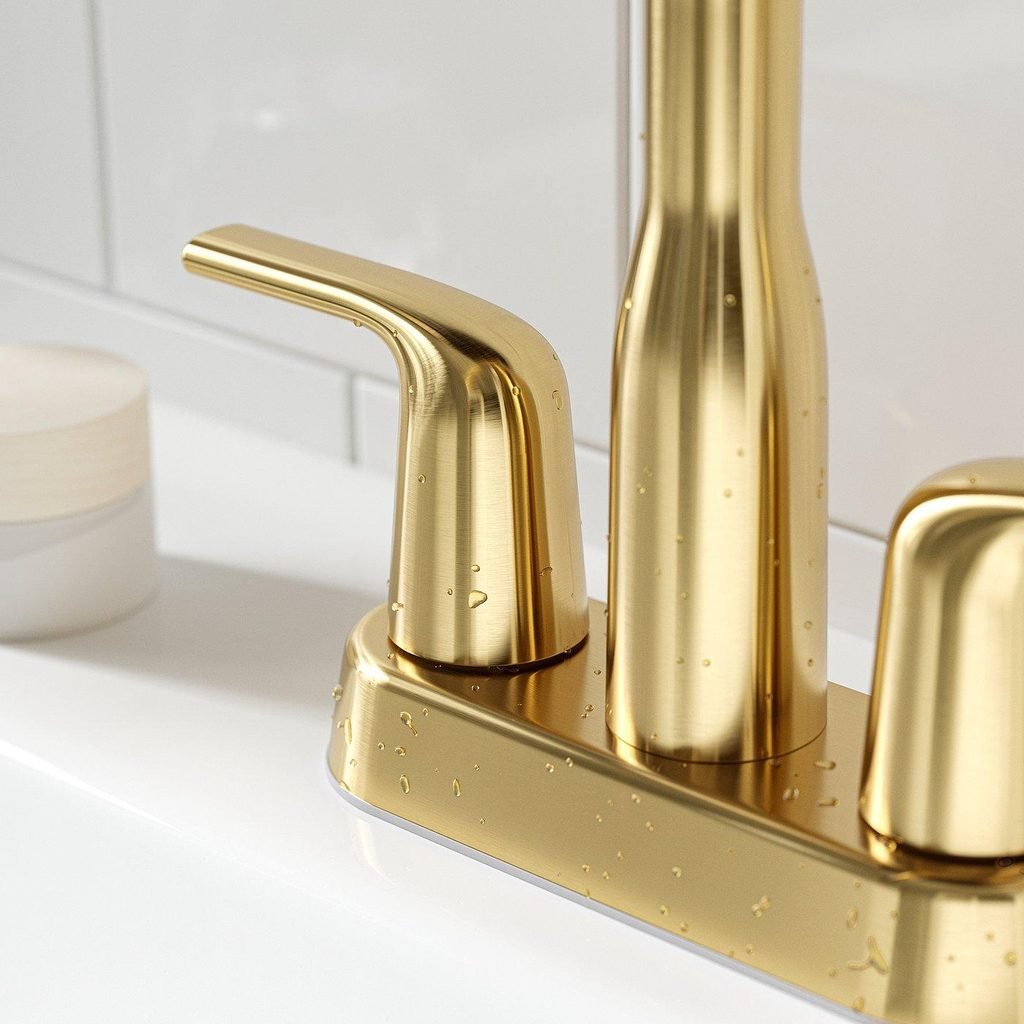
To remove water spots from polished brass bathroom fixtures, use a soft microfiber cloth dampened with warm water and a little mild dish soap. Dry the surface thoroughly to prevent new spots and mineral deposits from forming.
Safe Cleaning Steps
- Wipe gently: Clean the faucet with a damp microfiber cloth to loosen water marks and soap residue.
- Rinse gently: Wipe the surface with a fresh, water-moistened cloth to clear away any remaining cleaning solution.
- Dry completely: Buff the fixture with a soft, dry cloth to restore its clean appearance.
Prevent Finish Damage
If hard-water stains remain, check the manufacturer’s care instructions before trying stronger cleaning products. Avoid vinegar, lemon juice, abrasive cleaners, and unapproved brass polish, especially on lacquered brass or brass-plated fixtures, because they may damage the protective coating.
For example, after washing your hands, quickly drying the faucet can help prevent water spots from building up. This simple routine supports long-term brass fixture maintenance and helps keep polished brass bathroom hardware looking its best.
Can You Use Brass Polish on Bathroom Fixtures?
Yes, brass polish can be used on some bathroom fixtures, but only when the product is suitable for their specific finish. Before polishing, check the manufacturer’s care instructions to avoid damaging lacquered brass or brass-plated surfaces.
When Is Brass Polish Safe?
- Unlacquered brass: A suitable brass polishing compound may help remove tarnish and restore shine.
- Lacquered brass: Avoid standard brass polish unless the manufacturer approves it, as it may damage the protective coating.
- Brass-plated fixtures: Use gentle cleaning methods because abrasive polishing can wear away the thin brass layer.
For example, if your faucet has dark marks, start with mild dish soap, warm water, and a soft microfiber cloth before considering a polish. When learning how to clean polished brass bathroom fixtures, remember that not every dull spot is tarnish; mineral deposits may need a different approach.
For more bathroom design inspiration, see these double sink bathroom vanity mirror ideas.
Common Brass Cleaning Mistakes to Avoid
When learning how to clean polished brass bathroom fixtures, avoid harsh chemicals, abrasive scrubbers, and unsuitable brass polish. These can scratch the surface or damage the protective coating, especially on lacquered or brass-plated fixtures.
Mistakes to Avoid
- Using vinegar or lemon juice: Acidic cleaners may harm certain brass finishes. Check the manufacturer’s care instructions before use.
- Scrubbing with rough pads: Abrasive cleaners and scrubbers can scratch polished brass bathroom hardware.
- Using the wrong brass polish: A polishing compound suitable for unlacquered brass may damage lacquered or plated surfaces.
- Leaving water behind: Water spots and mineral deposits can build up if fixtures are not dried thoroughly.
- Ignoring the finish: Brass plating can wear away if cleaned too aggressively.
For instance, if polished brass bathroom fixtures lose their shine, clean them first with mild dish soap, lukewarm water, and a soft microfiber cloth. Then identify whether the dullness comes from tarnish, soap buildup, or finish damage before using brass polish.
For additional guidance, the University of Tennessee Extension’s brass and copper cleaning guide explains the importance of choosing a suitable polish and following product directions. This careful approach helps prevent finish damage and supports long-term brass fixture maintenance.
How to Maintain the Shine of Polished Brass Bathroom Fixtures
To maintain the shine of polished brass bathroom fixtures, clean them regularly with mild dish soap, warm water, and a soft microfiber cloth. Dry the surface after cleaning to prevent water spots, mineral deposits, and soap residue from dulling the finish.
Simple Maintenance Tips
- Wipe regularly: Remove fingerprints and water marks before they build up.
- Dry after use: In hard-water areas, drying the faucet after each use can help reduce mineral deposits.
- Avoid damaging cleaners: Rough cleaning agents and incompatible brass polishes can wear down the fixture’s finish.
- Follow care instructions: Lacquered brass, unlacquered brass, and brass-plated fixtures may require different cleaning methods.
For example, spending a few seconds drying your faucet after washing your hands can help keep its finish looking clean. When learning how to clean polished brass bathroom fixtures, remember that gentle, consistent care is safer than frequent polishing.
If you’re refreshing the rest of your bathroom, explore these unfinished bathroom vanity ideas for additional design inspiration.
FAQs
1. What is the best cleaner for brass bathroom fixtures?
Mild dish soap mixed with warm water is a safe starting point for most brass bathroom fixtures. Check the manufacturer’s care instructions first.
2. How should you clean polished brass bathroom fixtures?
Gently wipe the surface with a microfiber cloth and diluted dish soap. Remove any leftover cleaner with a damp cloth, then dry completely to reduce water spots and mineral buildup.
3. Can I use Dawn dish soap on brass?
Yes, Dawn dish soap diluted in warm water is generally suitable for gentle cleaning. Avoid scrubbing, and confirm that it is safe for your fixture’s finish.
4. Will Bar Keepers Friend polish brass?
Bar Keepers Friend products vary, and some contain abrasives or acids that may damage brass coatings. Check the product label and fixture manufacturer’s instructions before use.
5. Is Brasso or Bar Keepers Friend better for cleaning brass?
Neither is suitable for every brass fixture. Brasso is designed as a metal polish, while some Bar Keepers Friend formulas may be too harsh for lacquered or brass-plated finishes. Choose a product approved for your fixture.
6. Is Brasso or Bar Keepers Friend better for cleaning brass bathroom fixtures?
For routine cleaning, start with mild dish soap and water rather than either polish. Use a metal polish only when the manufacturer confirms it is safe for your fixture’s finish.
About the Author: Bilal Khan
Bilal Khan is an informational content writer interested in home improvement, bathroom design, and practical cleaning tips. He focuses on creating clear, reader-friendly content that helps homeowners understand proper care techniques and make informed decisions. His articles emphasize helpful guidance, careful research, and manufacturer-recommended maintenance practices.