
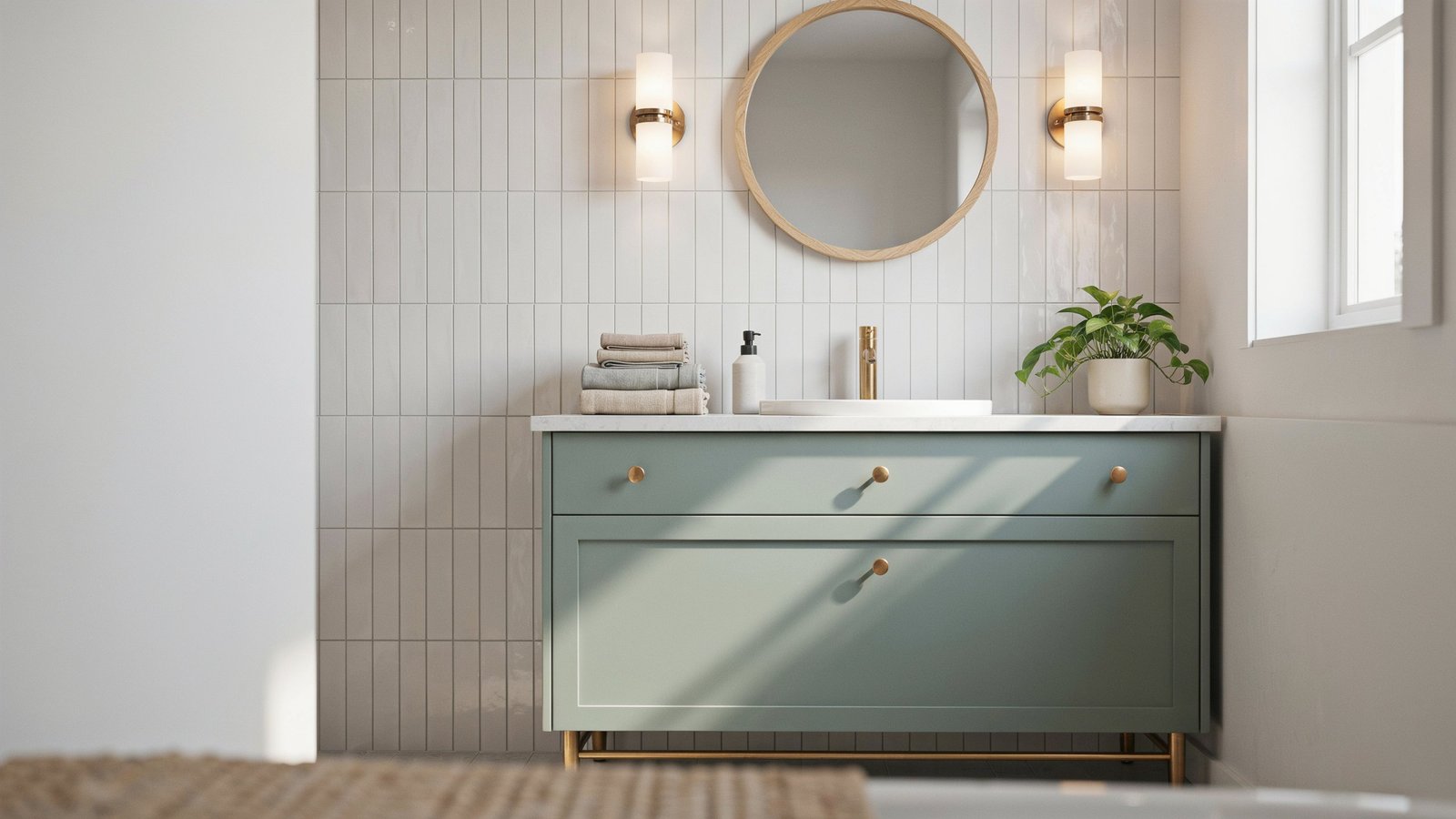
Shopping for a new bathroom surface often feels overwhelming with so many materials on the market. If you want a clean look without budget-busting costs, a cultured marble vanity top with integral sink is one of the most practical options available today.
These seamless surfaces combine the countertop and basin into a single molded piece. That means no annoying crevices where dirt, mildew, and soap scum can hide. In this guide, we will look at how these tops are made, their real-world pros and cons, how they compare to natural stone, and simple ways to keep them looking fresh for years.
Table of Contents
What Is a Cultured Marble Vanity Top with Integral Sink?
A cultured marble vanity top with integral sink is an engineered stone surface crafted by mixing crushed marble dust with specialized polyester resins and color pigments. This mixture is poured into a precise mold that shapes both the counter surface and the basin at the exact same time.
Once the material cures, manufacturers coat it with a clear, high-gloss gel layer. This protective gel coat seals the porous dust underneath, creating a smooth, waterproof barrier. If you are exploring options for your bathroom upgrade, understanding what is a vanity and how different materials function will help you make the right choice. Because the basin is directly molded into the counter, there are no seams, caulked edges, or joints between the bowl and the surface.
How It Differs From Natural Marble
Natural marble is quarried directly from the earth in solid slabs. It features unique organic veining, but it is highly porous and susceptible to etching from acidic liquids. Cultured marble, on the other hand, is man-made. It replicates the soft veining of natural stone while offering a non-porous surface that resists water absorption much better than raw stone.
Key Benefits of an Integrated Sink Design
Homeowners and remodelers frequently choose molded bathroom counters with built-in basins for several practical reasons.
1. Seamless, Easy-Clean Surface
The biggest advantage of a seamless basin design is maintenance. Traditional undermount or drop-in sinks require a layer of silicone sealant around the edges. Over time, that caulk line turns yellow, attracts mold, and collects grime. An integrated basin eliminates that gap entirely, allowing you to wipe dirt directly from the counter into the bowl with a simple sponge.
2. Budget-Friendly Elegance
Real marble slabs can easily cost three to four times as much as engineered alternatives. Cultured stone gives you the high-end look of polished stone at a fraction of the cost, making it ideal for master bath upgrades, powder rooms, or rental property renovations.
3. Customizable Colors and Sizes
Because these tops are cast in molds, manufacturers produce them in a vast range of standard sizes, edge profiles, and custom color patterns. Whether you need a compact 24-inch single basin or a spacious 72-inch double bowl layout, finding a fit for your existing cabinet footprint is straightforward.
4. Built-In Backsplashes
Many molded counters feature an attached or integrated 4-inch backsplash. This continuous wall guard prevents water from leaking behind your vanity cabinet, protecting your drywall from long-term moisture damage.
Potential Drawbacks to Consider
Although engineered stone surfaces offer exceptional convenience and a modern aesthetic, no countertop material is entirely flawless. Understanding these practical drawbacks helps you determine if a molded sink counter aligns with your daily routine and long-term maintenance preferences.
Scratching and Heat Sensitivity
The top layer of a cultured marble counter is a clear gel coat resin. While durable, it can scratch if you scrub it with abrasive pads or harsh chemical cleaners. Additionally, high-heat styling tools like curling irons or flat irons left directly on the surface can scorch or discolor the finish. Always use a heat-resistant mat for hot tools.
Susceptibility to Staining from Strong Chemicals
Harsh solvents, nail polish removers containing acetone, hair dyes, and bleach-heavy cleaners can damage or strip the protective gel coat over time. Once the gel coat is compromised, the material underneath becomes vulnerable to permanent discoloration.
Difficult to Replace Just the Sink
Because the counter and basin are cast as a single unit, you cannot replace the sink independently if it chips or cracks. If severe damage occurs, the entire countertop unit must be replaced. This structural detail is especially important when planning small layout upgrades, such as fitting a compact 18 inch bathroom vanity, where space and bowl replacement options are already limited.
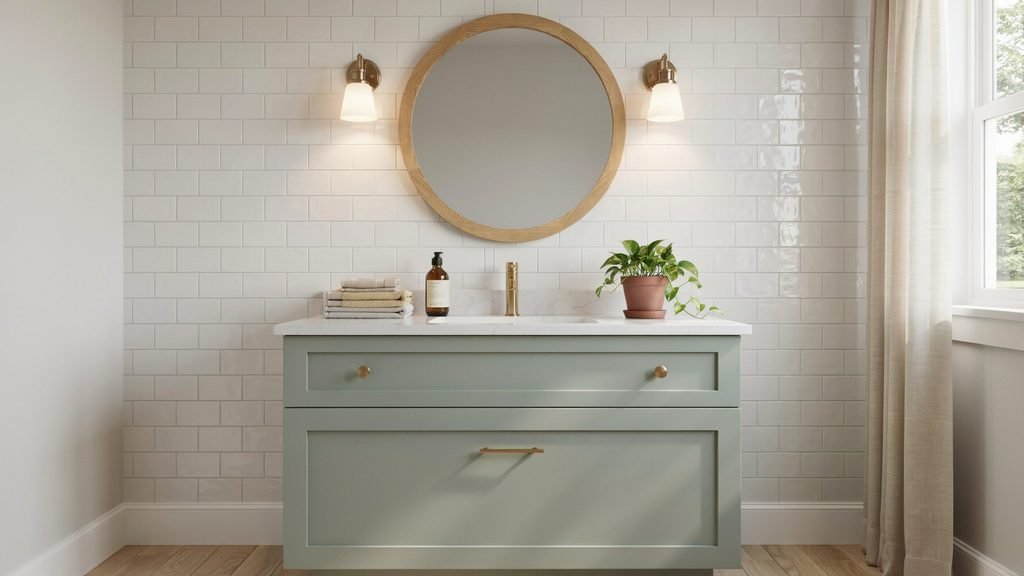
Cultured Marble vs. Quartz vs. Solid Surface
To help you decide if a cultured marble vanity top with integral sink suits your needs, here is a quick comparison of how it stacks up against other popular bathroom surface options:
| Feature | Cultured Marble | Quartz | Solid Surface (e.g., Corian) |
| Material Composition | Marble dust + Resin + Pigment | Natural Quartz + Resin | Acrylic / Polyester Resins |
| Integrated Sink Availability | High (Molded together) | Low (Sinks usually attached) | High (Seamlessly fused) |
| Maintenance Need | Low (Avoid abrasive tools) | Very Low | Low (Easy to sand out scratches) |
| Stain & Heat Resistance | Moderate | High | Moderate |
| Price Range | Affordable ($) | Moderate to High ($$$) \vert{} Moderate ($$) |
How to Choose the Right Size and Configuration
Selecting the right top requires accurate measurements and an understanding of your bathroom’s layout.
Single vs. Double Sink Options
- 24″ to 36″ Tops: Ideal for small powder rooms or guest bathrooms. These almost always feature a single centered basin.
- 48″ Tops: Provide ample counter space around a single basin, perfect for daily grooming.
- 60″ to 72″ Tops: Suitable for master suites. You can choose a wide single-basin layout or a double-basin configuration for shared spaces.
Faucet Hole Drillings
Before buying, check your faucet style. Integrated tops typically come pre-drilled with three common layouts:
- Single-Hole: Designed for modern, streamlined single-handle faucets.
- 4-Inch Center Set: Features three holes spaced 4 inches apart for standard compact faucets.
- 8-Inch Widespread: Features three holes spaced 8 inches apart for classic two-handle faucet designs.
Care and Maintenance Guidelines
Keeping your surface shining requires minimal effort if you stick to soft cleaning products.
Daily Cleaning Routine
- Use a soft microfiber cloth or non-abrasive sponge with warm water and a mild dish soap for gentle daily surface cleaning.
- Wipe away toothpaste splatters, soap scum residues, and hard water spots daily to prevent stubborn buildup on your vanity surface.
- Avoid steel wool, scouring pads, or powdered abrasive cleansers like Comet or Ajax.
Restoring Gloss and Shininess
Over years of daily use, fine micro-scratches can dull the glossy finish. Following standard cultured marble cleaning and maintenance methods helps maintain the protective seal without damaging the gel coat. You can restore the original shine by applying a specialized cultured marble polish or a non-abrasive automotive gel paste wax once or twice a year. Buffing the surface gently brings back the deep luster and creates a water-beading barrier.
Dealing With Minor Scratches
If light scratches appear on the gel coat, you can often buff them out using a liquid automotive polishing compound. For deeper gouges or small chips, gel coat repair kits are available online to fill the damage before sanding smoothly with ultra-fine sandpaper (2000-grit).
FAQs
Can you resurface or repaint a cultured marble vanity top?
Yes. If your top is outdated or discolored, you can refinish it using an epoxy-based countertop refinishing kit or hire a professional tub and counter resurfacing service.
How long does a cultured marble vanity top with integral sink last?
With proper care and non-abrasive cleaning, a quality cultured marble top can easily last 20 to 30 years without losing its structural integrity.
Does cultured marble yellow over time?
Older formulas from decades ago often yellowed due to UV exposure. Modern resins and gel coats are formulated with UV inhibitors to prevent yellowing under regular indoor lighting.
Summary
A cultured marble vanity top with integral sink offers an unbeatable combination of easy maintenance, elegant looks, and affordability. Its seamless design and integrated bathroom vanity backsplash eliminate mold-prone caulk lines and protect adjacent walls from water damage, making daily cleaning effortless. By protecting the surface from direct heat and avoiding harsh chemical cleansers, this durable bathroom counter will stay sleek and attractive for decades.
Pingback: 3 Light Bathroom Fixture Bronze Guide for Real Bathrooms
Pingback: What Are Louis Vuitton Monogram Bags Made Of?