
Table of Contents
What Is a Vanity, Exactly?
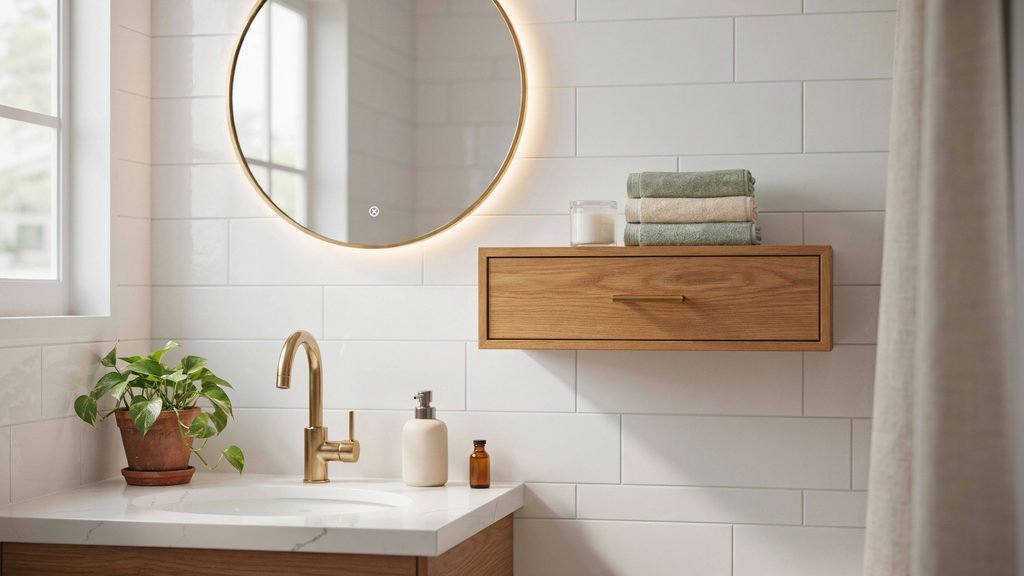
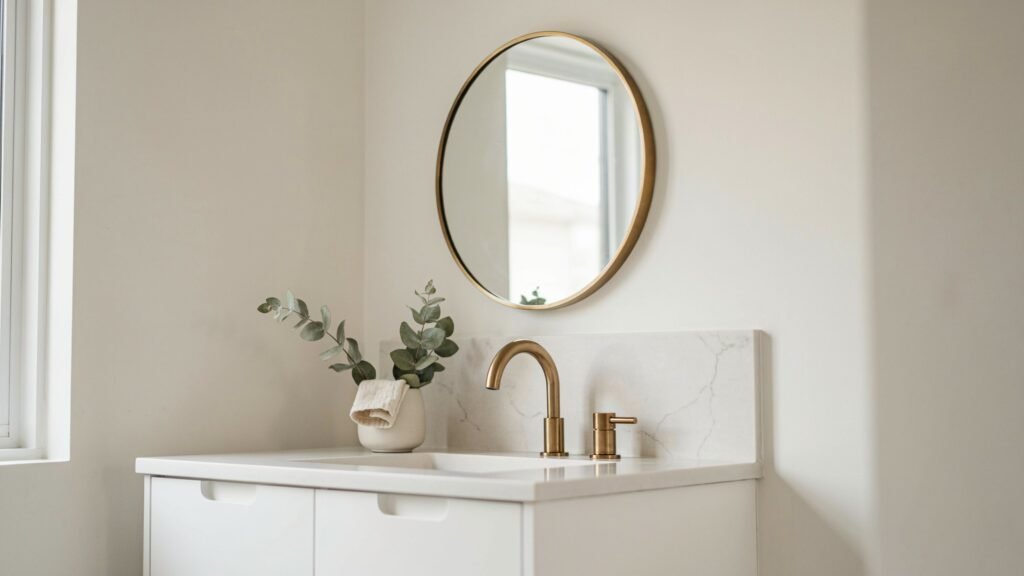
A vanity is a bathroom or bedroom fixture that combines a sink, countertop, and storage into one unit, usually with a mirror above it. Simply put, it’s the cabinet under your bathroom sink that holds your daily essentials while giving the room a finished look.
Most U.S. homes have at least one. A standard single-sink vanity runs 24 to 36 inches wide, while double-sink versions can stretch past 60 inches for shared bathrooms — a difference that directly affects how much storage and counter space you actually get for toothbrushes, skincare, and daily clutter.
The word traces back to grooming tables once used for hair, makeup, and getting ready. That table eventually evolved into today’s built-in bathroom cabinet, which is why a vanity is really part furniture, part plumbing fixture, and part storage — all in one.
This is also where confusion often starts, since some people mean a bedroom dressing table rather than a bathroom sink cabinet. We’ll break down that difference next.
Where Did the Word “Vanity” Come From?
The word “vanity” comes from the Latin term vanus, meaning empty or futile, and it entered English through Old French around the year 1200. The furniture meaning came much later — the phrase “vanity table” for a dressing table only shows up in written records by 1898, more than 600 years after the word first appeared.
That gap explains a lot. Originally, vanity had nothing to do with sinks or mirrors — it simply meant something worthless or empty-headed, the way it’s used in the Bible’s line “vanity of vanities.” By the mid-1300s, the meaning shifted to describe excessive self-admiration, which is the definition most people still recognize today (think of someone obsessed with their reflection). gnu
So how did the same word end up on bathroom cabinets? The connection runs through dressing tables, which developed separately in Europe during the late 1700s as small tables with a mirror, drawers, and a chair — used mainly for grooming and applying makeup. Somewhere along the way, especially in American English, people started calling these dressing tables “vanities,” since they were literally where someone tended to their appearance. Over time, that same idea got applied to bathroom sink cabinets too, and both uses stuck around side by side.
A few things worth knowing if you’re researching this term further:
- Vanity (noun, personality trait) — excessive pride in one’s looks or achievements
- Vanity table / dressing table — bedroom furniture with a mirror and drawers
- Bathroom vanity — a sink cabinet with storage and a countertop
- Vanity unit — a common British/Australian term for the same bathroom fixture
This is exactly why the earlier confusion between bedroom and bathroom vanities exists — the word carries three centuries of overlapping meaning packed into one term. Once you understand the origin, the next logical step is separating those two furniture types clearly, which is what we’ll cover next.
The Main Parts of a Vanity
A vanity is made up of four core parts: a cabinet base, a countertop, a sink, and storage inside — with a mirror usually mounted above it to complete the setup. Each part plays its own role, and understanding them makes it much easier to shop for one or know what you’re actually paying for.
The cabinet is the foundation. It sits on the floor (or is wall-mounted, in the case of floating vanities) and holds everything else in place. Most cabinets are built from solid wood, plywood, or MDF, and they typically include one or two doors along with a set of drawers. A standard 30-inch vanity cabinet, for example, usually fits two to three drawers plus a lower cabinet space — enough to store hair dryers, cleaning supplies, and extra toiletries without cluttering the counter.
On top sits the countertop, which is where the sink is set into place. Common materials include quartz, granite, marble, and laminate, each with different price points and maintenance needs. Granite and quartz resist water stains better, which matters in a bathroom where moisture is constant.
The sink itself can come in a few styles: drop-in, undermount, or vessel sinks that sit above the counter like a bowl. This choice affects both cleaning and overall look, so it’s worth considering alongside the vanity faucet and hardware you plan to install.
Inside, the storage compartments — drawers, shelves, or a mix of both — are what make the vanity practical rather than just decorative. Finally, the mirror, while technically separate from the vanity unit itself, is almost always paired with it, since good lighting and reflection are essential for daily grooming.
Here’s a quick breakdown of what each part typically includes:
- Cabinet — wood, plywood, or MDF base with doors and drawers
- Countertop — quartz, granite, marble, or laminate surface
- Sink — drop-in, undermount, or vessel style
- Storage — drawers and shelves inside the cabinet
- Mirror — mounted above, often paired with lighting fixtures
Knowing these parts also makes the next step easier — deciding which overall vanity type fits your bathroom, which is exactly what we’ll cover in the next section on the different types of vanities available today.
Different Types of Vanities You’ll Find Today
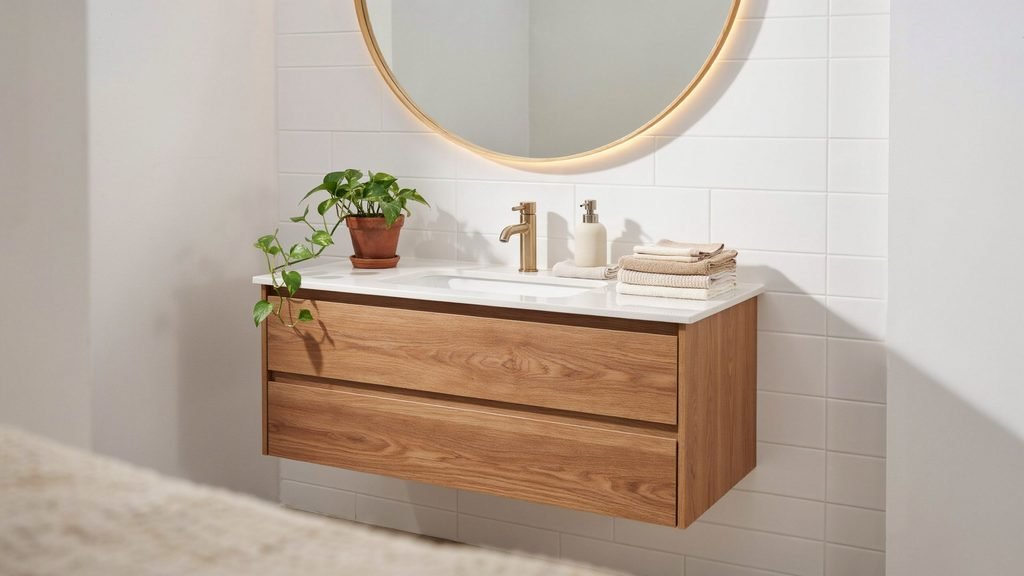
There are five common vanity types on the market today: floating, freestanding, pedestal, double-sink, and corner vanities, each suited to a different bathroom layout and storage need. Picking the right one comes down to space, budget, and how much storage your household actually needs. Home renovation experts at This Old House also note that size, style, and budget are the three main factors that should guide this decision.
Floating Vanities
A floating vanity, also called a wall-mounted vanity, attaches directly to the wall with no legs touching the floor. This design is popular in smaller bathrooms because it creates the illusion of more floor space and makes cleaning easier — there’s nothing blocking a mop underneath. A typical floating vanity ranges from 24 to 48 inches wide and works especially well in modern or minimalist bathroom designs.
Freestanding Vanities
A freestanding vanity looks and functions like a standalone piece of furniture, sitting fully on the floor with legs or a closed base. This is the most traditional style and offers the most storage per square foot, since the entire cabinet space is usable. It’s a solid choice for family bathrooms where daily storage matters more than visual lightness.
Pedestal Vanities
Unlike the other options, a pedestal vanity skips the cabinet entirely — it’s essentially just a sink mounted on a slim column, with zero storage underneath. Homeowners usually choose this style for half-baths or powder rooms where counter space isn’t a priority, but it does mean you’ll need a separate linen closet or cabinet nearby for towels and supplies.
Double-Sink Vanities
A double-sink vanity includes two separate basins built into one long countertop, typically ranging from 60 to 72 inches wide. This layout is common in primary bathrooms shared by couples or family members, since it allows two people to get ready at the same time without competing for counter space.
Corner Vanities
Designed specifically for tight layouts, a corner vanity fits diagonally into a bathroom corner, making use of space that would otherwise go unused. These are less common but genuinely useful in smaller guest bathrooms or awkward floor plans.
Here’s a quick side-by-side look:
- Floating — wall-mounted, space-saving, easier to clean underneath
- Freestanding — floor-standing, maximum storage, classic look
- Pedestal — no storage, slim footprint, best for powder rooms
- Double-sink — two basins, wide countertop, shared-bathroom favorite
- Corner — diagonal fit, ideal for small or oddly shaped bathrooms
Once you know which vanity style fits your layout, the next question homeowners usually run into is whether that same vanity works for a bedroom setup too — which brings us to the difference between bathroom and bedroom vanities in the next section.
Bathroom Vanity vs. Bedroom Vanity — What’s the Difference?
The main difference is function: a bathroom vanity includes a sink and plumbing, while a bedroom vanity is simply a dressing table with a mirror and drawers — no water hookup involved. Both share the same root word and a similar look, but they serve completely different purposes in a home.
A bathroom vanity is built around practicality. It has to support a sink, hold up against daily moisture, and hide plumbing lines underneath. Because of that, materials matter more here — you’ll usually see water-resistant options like quartz, laminate, or sealed wood, since a bedroom-style finish would warp or stain quickly in a humid bathroom.
A bedroom vanity, on the other hand, is built purely for grooming and appearance, not water use. It’s often called a dressing table or makeup vanity, and it typically includes:
- A tabletop surface for makeup, jewellery, or hair tools
- A mirror, either attached or freestanding
- Drawers for organising small items
- A matching stool or chair, since you sit while using it
This is exactly the kind of setup someone might use every morning to do their hair and makeup — no sink required, just a comfortable spot with good lighting and storage within arm’s reach.
Here’s a simple side-by-side comparison:
- Location — bathroom vanity stays in the bathroom; bedroom vanity fits in a bedroom or dressing room
- Function — bathroom version handles sink and hygiene tasks; bedroom version handles grooming and makeup
- Plumbing — bathroom vanity needs water lines; bedroom vanity needs none
- Seating — bedroom vanity usually comes with a stool; bathroom vanity typically doesn’t
- Materials — bathroom vanity uses moisture-resistant surfaces; bedroom vanity can use standard wood finishes
Knowing this difference helps you shop for the right piece instead of ending up with a dressing table that can’t handle a sink, or a bathroom cabinet that feels out of place in a bedroom. Once that distinction is clear, the next real decision is practical — how to actually pick the right vanity size and style for your specific space, which is what we’ll walk through next.
How to Choose the Right Vanity for Your Space
The right vanity comes down to three things: your bathroom’s available space, your storage needs, and a few basic clearance rules that building codes require. Getting these right upfront saves you from a costly redo later.
Start with measurements, not style. Before falling in love with a design, measure your bathroom’s width and the space between existing fixtures. Most building codes require at least 21 inches of clear floor space in front of a vanity, and a minimum of 15 inches from the center of the toilet to the edge of the vanity. Skipping this step is the most common mistake — homeowners often pick a 36-inch vanity for a small powder room, only to find the door won’t fully open once it’s installed.
Match the size to the room.
- Small bathrooms or half-baths (under 5 feet wide): a floating or pedestal vanity, 18 to 24 inches wide, keeps the room from feeling cramped
- Standard-size bathrooms: a 30- to 36-inch single-sink vanity fits comfortably and offers solid storage
- Primary or shared bathrooms: a 60- to 72-inch double-sink vanity works well when two people need counter space at once
Think about height next. Standard vanity height sits around 32 inches, which suits most adults and works well in family homes with children. If you’re taller than average or prefer less bending, a comfort-height vanity at 36 inches — the same height as a kitchen counter — is worth considering. Homes with a wheelchair user typically need a lower vanity, around 30 inches, with open space underneath instead of a closed cabinet.
Factor in depth and daily habits. Standard depth runs 20 to 21 inches, which gives enough room for a faucet and everyday items without eating into your walking space. If your bathroom is tight, an 18-inch shallow vanity paired with a compact sink is a better fit than forcing a standard-depth unit into a small footprint.
Don’t ignore door and drawer swing. Cabinet doors and drawers need room to open fully — around 30 inches of clear space is the practical rule — so check what’s nearby before finalizing a layout, especially if there’s a toilet, tub, or narrow doorway close to the vanity.
Once size and clearance are sorted, the last thing worth checking is what tends to go wrong even after all this planning — which is exactly what we’ll cover in the next section on common vanity-buying mistakes.
Common Mistakes People Make When Picking a Vanity
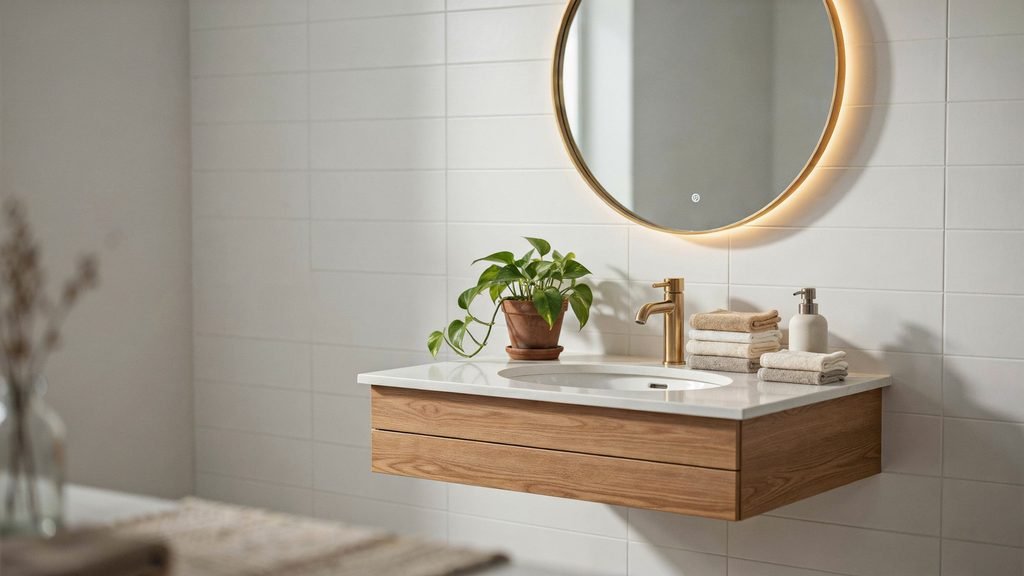
The most common mistake people make when picking a vanity is buying based on looks alone, without checking size, clearance, or plumbing compatibility first. This single oversight is behind most of the return requests and mid-renovation headaches homeowners run into.
Ignoring Clearance Requirements
Many people fall in love with a wide vanity online and forget to measure their actual bathroom first. A 36-inch vanity might look perfect in a photo, but if your bathroom is only 5 feet wide, it can leave less than the required 21 inches of clear floor space in front of it, making the room feel tight and even violating local building code. Always measure the room, not just the wall space, before ordering.
Choosing the Wrong Depth for a Small Bathroom
A standard 21-inch-deep vanity works fine in most bathrooms, but in a small powder room, that extra depth can eat into walking space or block a door from opening fully. This is a mistake worth avoiding early, since switching to an 18-inch shallow vanity with a compact sink usually solves the problem without sacrificing much storage.
Overlooking Existing Plumbing Placement
Moving plumbing lines to fit a new vanity design sounds simple until the renovation bill arrives. Homeowners often pick a vanity style with off-center or double-sink plumbing, not realizing their existing pipes are set up for a single, centered sink. Checking your plumbing rough-in before shopping saves both money and time.
Skipping the Height Check
Not every vanity fits every household. A standard 32-inch height works for most adults, but families with young children or a household member using a wheelchair may need a different height entirely. Buying without considering who actually uses the bathroom daily often leads to a vanity that looks great but feels impractical.
Underestimating Storage Needs
A stylish pedestal vanity might suit a guest bathroom, but choosing one for a primary bathroom — where towels, toiletries, and cleaning supplies need a home — usually backfires. Within a few months, most people realize they need a linen closet or extra cabinet just to make up for the missing storage.
A quick checklist to avoid these issues:
- Measure the full bathroom, not just the vanity wall
- Confirm at least 21 inches of front clearance
- Match vanity depth to room size, especially in small bathrooms
- Check existing plumbing before choosing sink placement
- Pick a height that suits everyone using the bathroom
- Choose storage capacity based on the room’s actual use, not just style
Avoiding these mistakes early is really an extension of the sizing and clearance basics covered earlier — it’s the difference between a vanity that looks good on day one and one that still works well years later. With the practical side covered, it’s worth stepping back to look at the bigger picture: whether investing in a quality vanity is genuinely worth it, which we’ll wrap up in the final section.
Final Thoughts: Is a Vanity Worth the Investment?
A vanity is more than just a cabinet with a sink — it’s one of the few fixtures you’ll touch every single day, which makes getting it right genuinely worth the effort. The best choice isn’t the trendiest one; it’s the one that fits your space, your storage habits, and the people who actually use that bathroom each morning.
So before you buy, take a moment to think — what does your daily routine actually need from this small corner of your home?
FAQs
What is a vanity in a house?
In a house, a vanity usually refers to the bathroom cabinet that holds the sink, countertop, and storage underneath. Some homes also have a bedroom vanity, which is a small dressing table used for grooming.
What is vanity furniture?
Vanity furniture is any piece designed around grooming or appearance — most commonly a bathroom sink cabinet or a bedroom dressing table with a mirror and drawers for storing makeup and accessories.
What does “vanity girl” mean?
“Vanity girl” typically describes someone who spends noticeable time and attention on her appearance, often associated with using a dressing table or vanity mirror as part of her daily routine.
What is vanity biblically?
Biblically, vanity means emptiness or futility, not vanity in the “conceited” sense. It refers to worldly pursuits that ultimately have no lasting value, a theme found throughout the Book of Ecclesiastes.
Is vanity a sin, and what is it?
In Christian teaching, vanity is considered a form of pride, one of the seven deadly sins. It refers to excessive self-admiration or an inflated sense of one’s own appearance and achievements.
What did Solomon mean by “all is vanity”?
Solomon used the phrase to express that worldly achievements, wealth, and pleasure are ultimately fleeting and cannot provide lasting fulfilment on their own.
Which of the seven sins is vanity?
Vanity falls under pride, one of the seven deadly sins, since both involve an excessive focus on one’s own image, worth, or accomplishments.
What does Ecclesiastes mean when it says “all is vanity”?
It means that human effort and worldly pursuits, when detached from deeper purpose, ultimately amount to emptiness — a central message repeated throughout the book.
Pingback: 18 Inch Bathroom Vanity: A Complete Small Bathroom Guide
Pingback: Master Bathroom Double Vanity: A Complete Guide
Pingback: Cultured Marble Vanity Top with Integral Sink Guide
Pingback: Wall Mount Sink Vintage Guide: Timeless Bathroom Style